How can I tell if my rabbit is sick?

February 10, 2024

Recognising signs of illness in rabbits is crucial for providing prompt veterinary care.

Here are some common indicators that your rabbit may be unwell:


Changes in Eating Habits:

Reduced appetite or refusal to eat.

Changes in the type or amount of droppings.


Lethargy:

Unusual inactivity or reluctance to move.

Hiding more than usual.


Changes in Grooming Behaviour:

Decreased grooming, resulting in an unkempt or messy coat.

Over-grooming leads to bald patches or skin irritation.


Digestive Issues:

Diarrhoea or soft stools.

Constipation or straining during bowel movements.


Breathing Problems:

Laboured breathing or rapid breathing.

Sneezing, coughing, or nasal discharge.


Eye or Nose Discharge:

Watery or cloudy eyes.

Discharge from the nose.


Changes in Posture:

Hunched or lethargic posture.

Difficulty standing or hopping.


Unusual Vocalisations:

Crying, whimpering, or other abnormal vocalisations.


Weight Loss:

A sudden or significant loss of weight.


Behavioural Changes:

Aggressive behaviour or uncharacteristic aggression.

Changes in social interactions with other rabbits or pets.


Teeth Grinding:

Grinding teeth could indicate pain or discomfort.


Swelling or Lumps:

Swelling or lumps on any part of the body.


If you observe any of these signs, it's crucial to consult with a rabbit-savvy veterinarian promptly. Rabbits are prey animals, and they may try to hide signs of illness, so subtle changes should be taken seriously.


Regular health check-ups with a knowledgeable rabbit veterinarian are also important for preventive care. Monitor your rabbit's daily habits and behaviours, and seek veterinary attention if you notice anything unusual. It's always better to err on the side of caution and consult a professional if you have concerns about your rabbit's health. Early intervention can significantly improve the chances of successful treatment and recovery.


Thank you for reading this post. We hope that you found it helpful and hope to you visit this page again soon. For more information, fun facts and cute photos, please follow us on social media. ❤️

THANK YOU

Thank you for reading this post. We hope that you found it helpful and hope to you visit this page again soon. For more information, fun facts and cute photos, please follow us on social media. ❤️


Disclosure & Disclaimer: Some of the links in this blog may be affiliate links, which means we earn a small commission if you click through and make a purchase. This comes at no additional cost to you but helps support the continued production of content. We only recommend products and services we believe will add value to our audience. The content provided is solely for informational purposes. Any advice provided is based on personal experience and research and may not be suitable for everyone. Before implementing any advice, please consult with a professional to ensure it's appropriate for your specific situation. Thank you for your support.
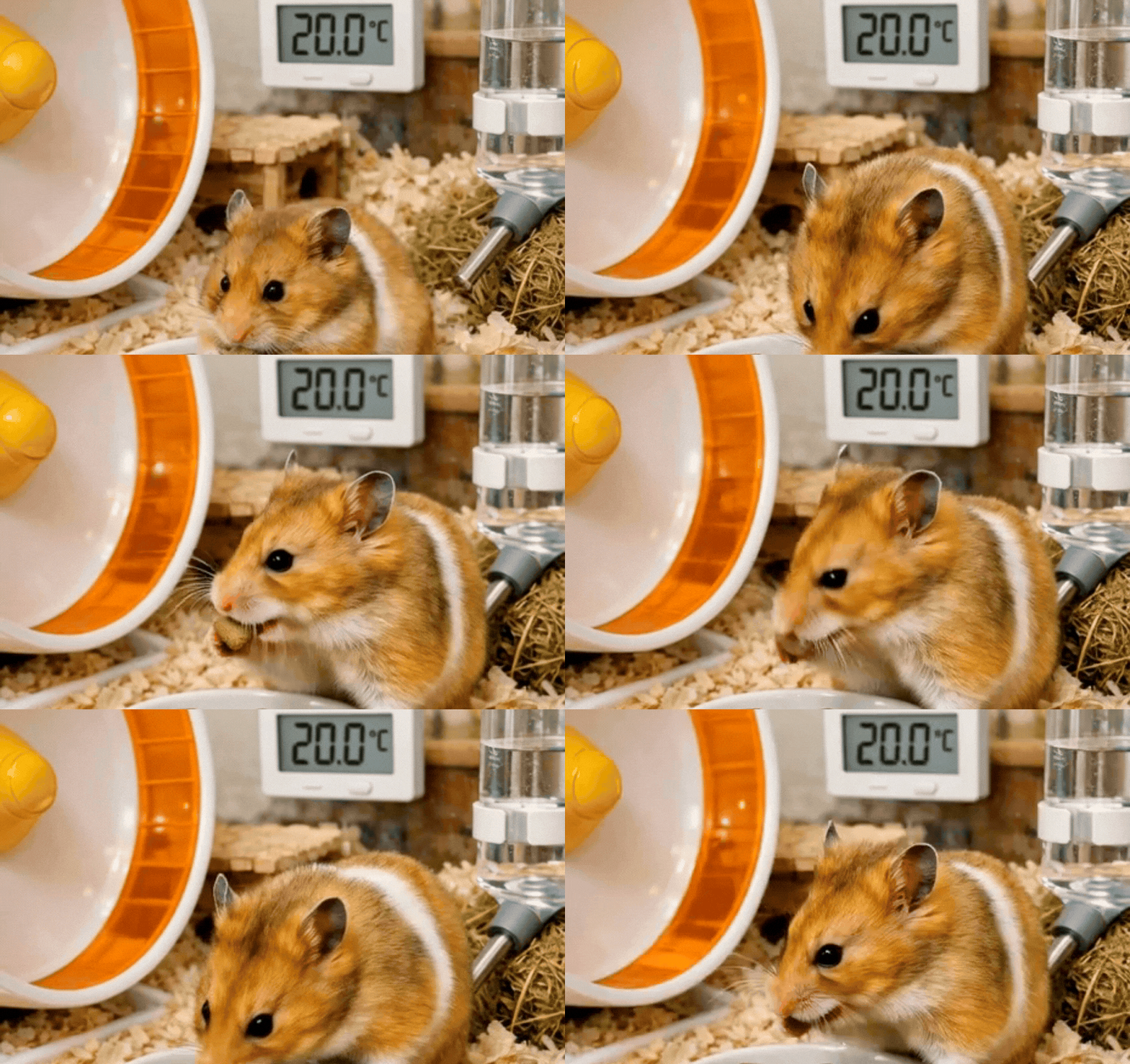
Hamster with wet tail symptoms showing loose droppings, matted fur on rear, hunched posture in clean
By Guest Author • September 29, 2026
Discover main causes of diarrhoea and wet tail in hamsters like bacteria, diet changes, stress, plus UK home prevention tips for healthy pets. Act fast on symptoms
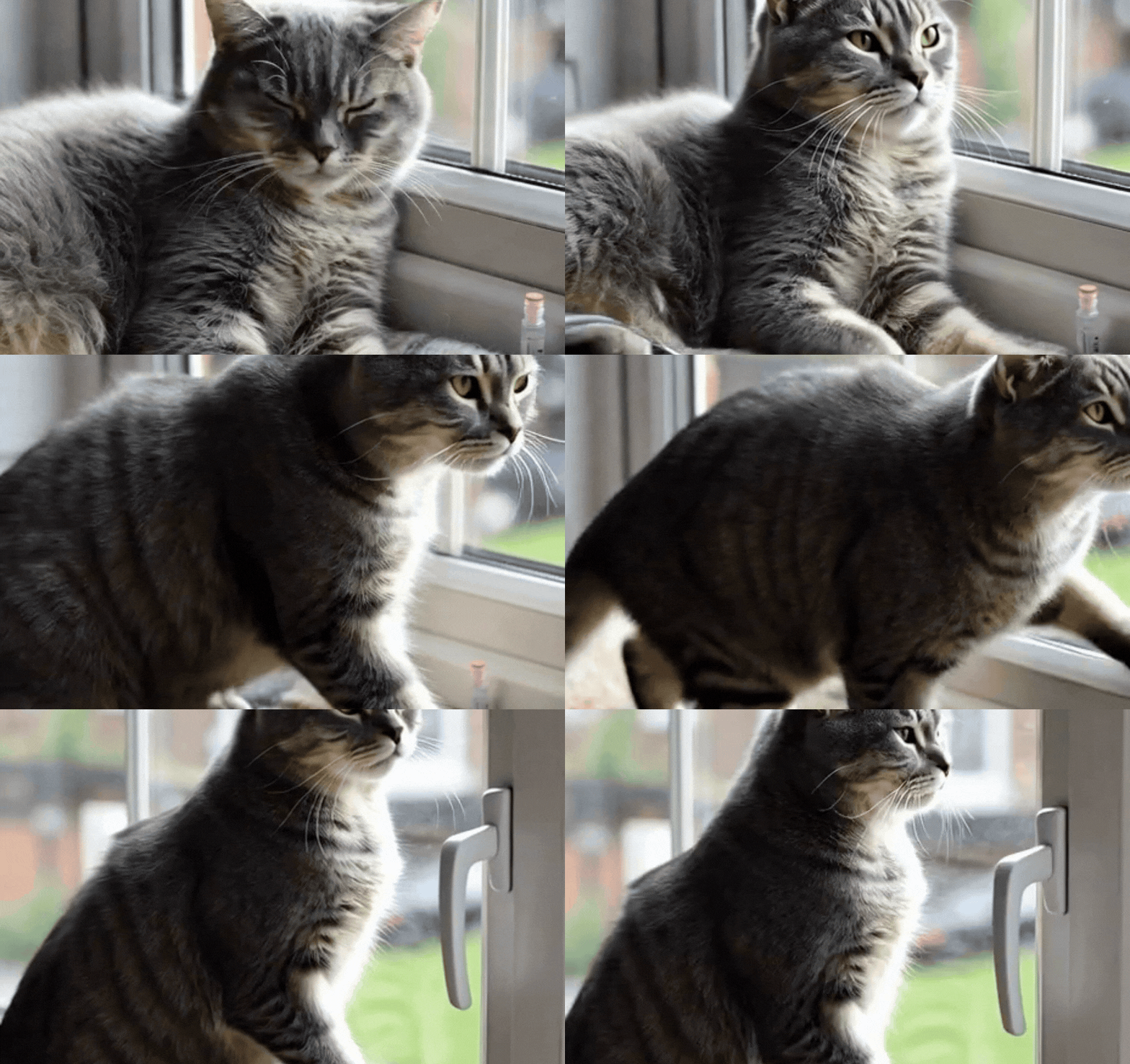
British Shorthair cat resting indoors with vet test tube nearby, illustrating FIV awareness and home
By Guest Author • September 22, 2026
Discover what FIV means for cats, from transmission via bites to home care tips for UK owners. Manage symptoms, boost immunity, and ensure long lives
Concerned owner with Labrador showing honk cough in rainy UK park, vaccine drops, paw wipes and clea
By Guest Author • September 15, 2026
Learn kennel cough causes, honking symptoms and prevention via UK vaccines, wipes and isolation for safe dog walks, boarding without worry
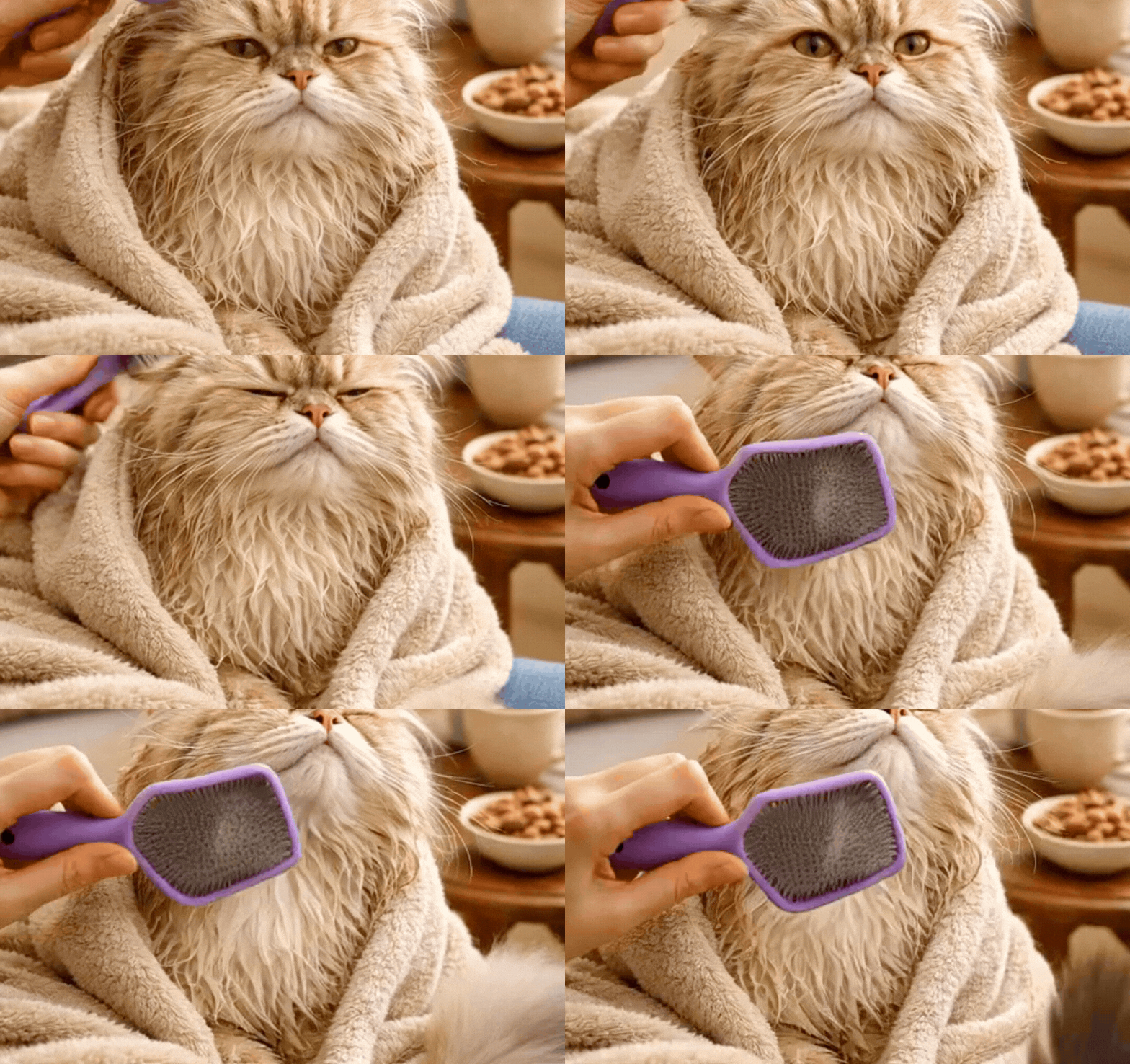
Calm British Shorthair cat in shallow sink bath with owner gently rinsing fur using jug, towels read
By Guest Author • September 8, 2026
Discover stress-free cat bathing steps for, from preparation to drying tips. Ideal for dirty coats or allergies, with vet-safe advice to keep your feline happy
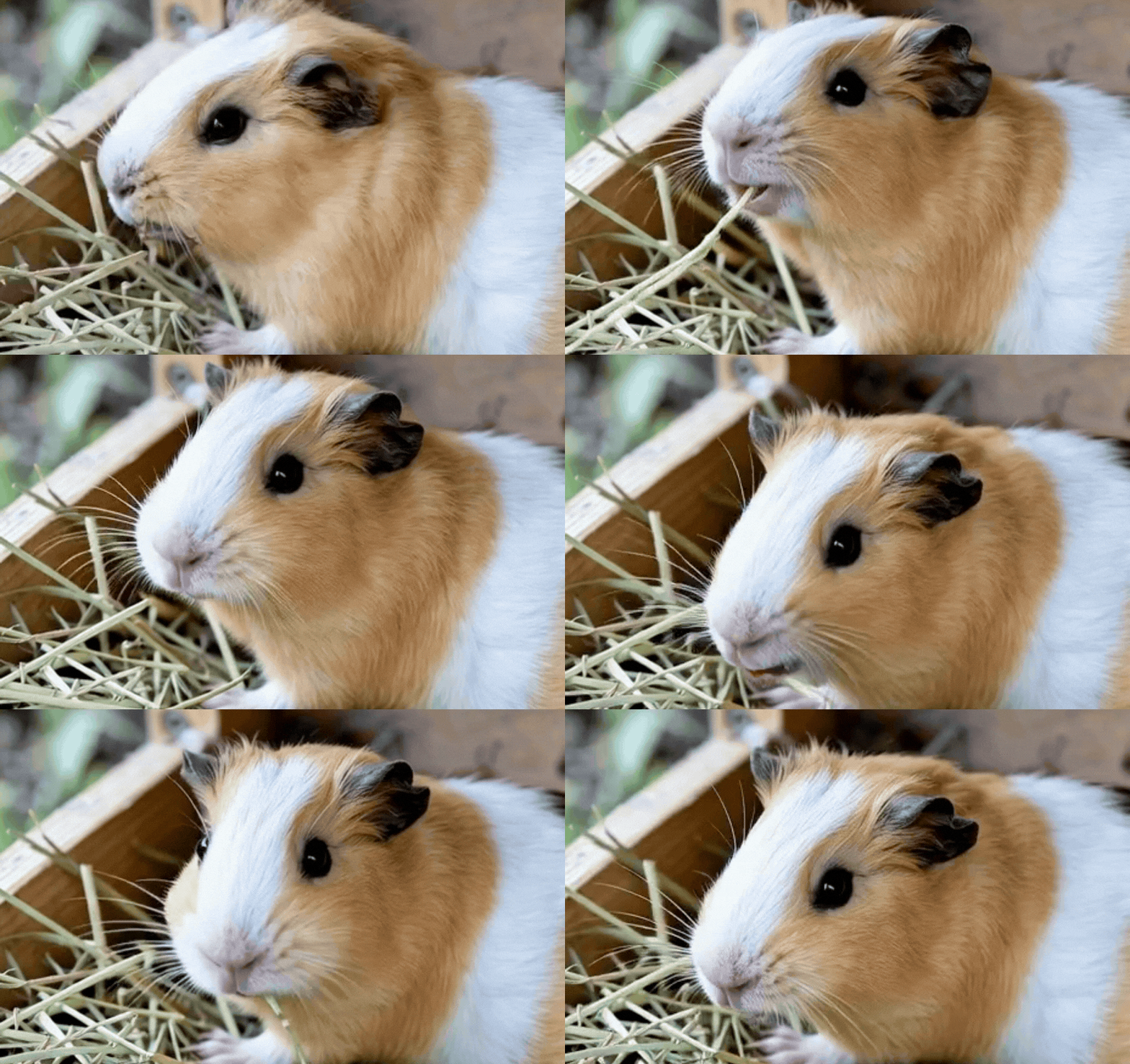
Colourful guinea pig munching safe vegetables like romaine lettuce, peppers, cucumber on hay bedding
By Guest Author • September 1, 2026
Discover safe vegetables for guinea pigs, from daily romaine to occasional broccoli. UK-focused tips on portions, prep and avoids for healthy digestion and vitamin C
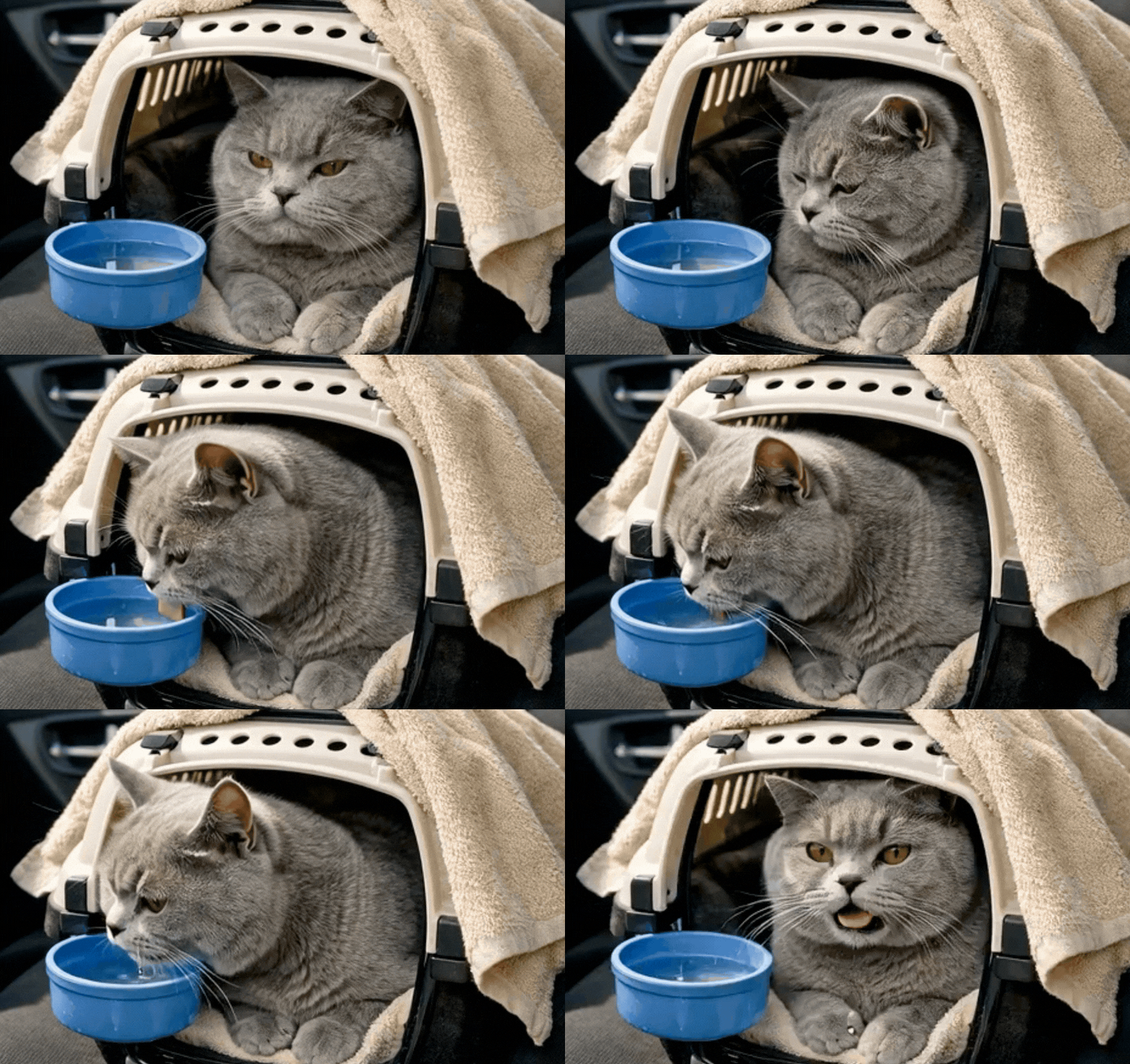
British Shorthair cat relaxing calmly in secure carrier on back car seat during safe UK road trip
By Guest Author • August 25, 2026
Master car travel with your cat using UK-focused tips on secure carriers, calming aids and Highway Code compliance. Reduce stress and ensure safety on every journey
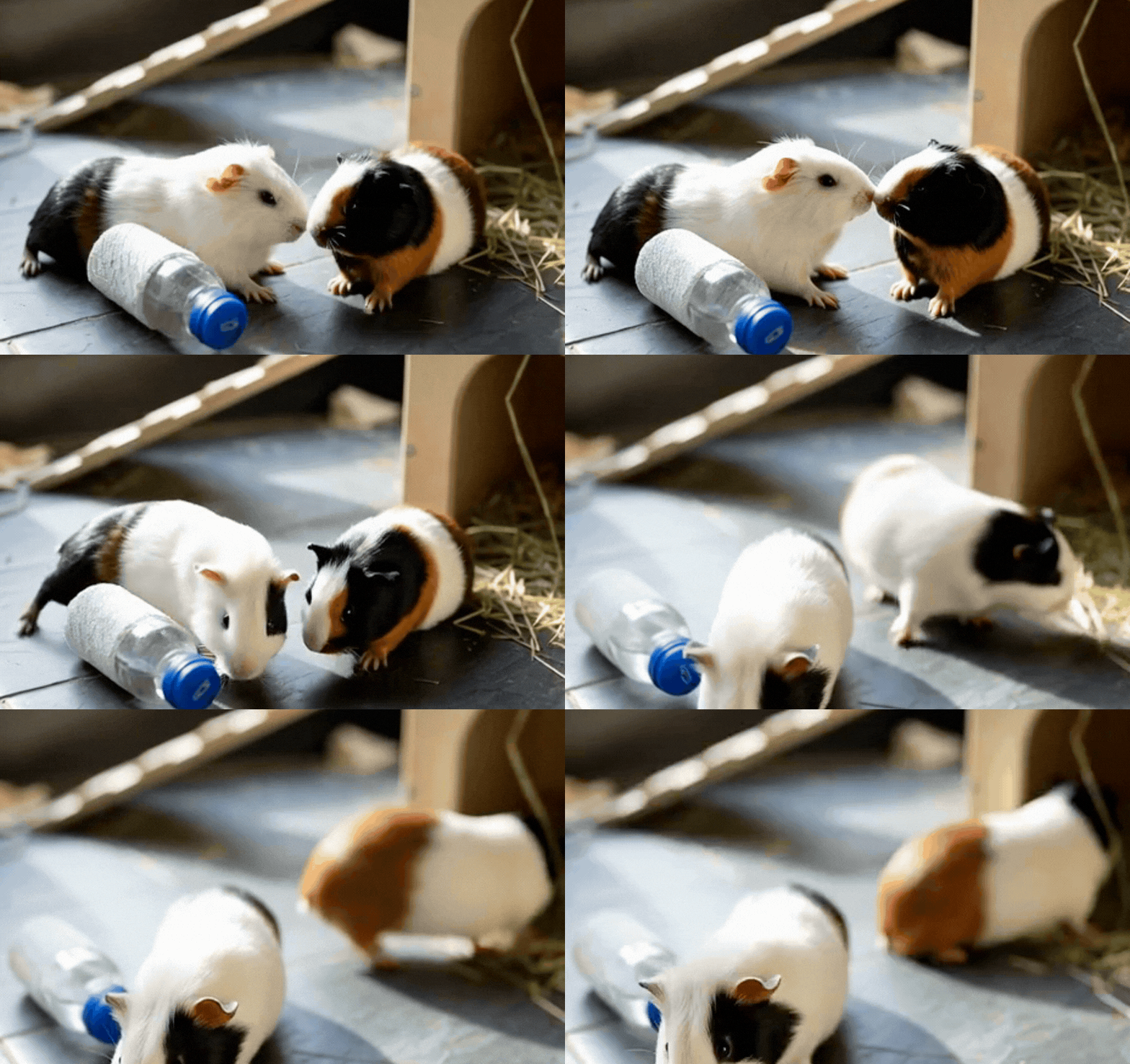
Guinea pigs staying cool in shaded hutch with frozen bottles, damp towels and fans during UK summer
By Guest Author • August 18, 2026
Keep guinea pigs safe in summer heat over 26°C with shade, frozen aids, hydration and grooming. Avoid heatstroke using these vet-approved home tips for happy cavies
Guinea pig with overgrown teeth showing drooling chin and dropped hay, next to healthy chewing
By Guest Author • August 11, 2026
Spot overgrown guinea pig teeth early? Learn causes like poor hay diets, signs such as drooling, home checks and vet fixes for healthy chompers in your UK pet.
Close-up of curious tabby cat with prominent white whiskers sensing air currents, highlighting senso
By Guest Author • August 4, 2026
Discover why cats have whiskers for navigation, balance and mood signals. UK pet care tips on avoiding whisker fatigue, plus 5 simple home tips and FAQs for happy felines
Relaxed ginger cat purring on lap with soft vibrations, showing contentment and self-soothing in cos
By Guest Author • July 28, 2026
Discover why cats purr beyond happiness, from healing injuries to stress relief. UK pet tips on reading purrs, bonding, and home care for happier felines,