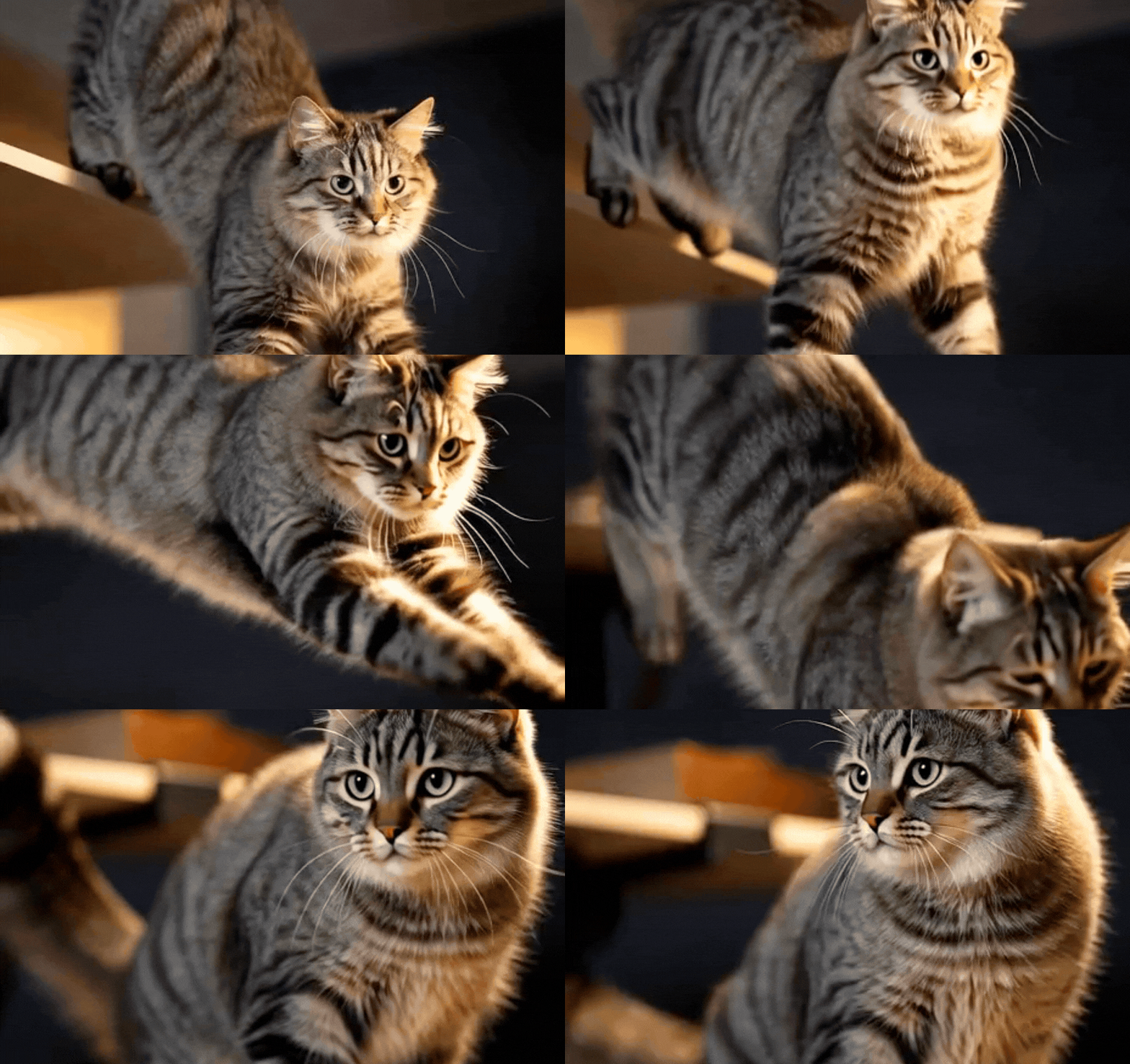
Can cats be clicker trained?

February 17, 2024

Yes, cats can be clicker trained! 

Clicker training is a positive reinforcement method that uses a small device called a clicker to signal to the cat when they have performed a desired behaviour. The click sound is followed by a reward, usually a treat, creating an association between the behaviour and the reward. Here's a simple guide to clicker training for cats:


Get the Right Equipment:

Purchase a clicker designed for training animals. These are readily available at pet stores. Have a supply of small, tasty treats that your cat enjoys.


Charge the Clicker:

Before starting training, "charge" the clicker by making the clicking sound followed by immediately giving a treat. Do this several times so that your cat associates the click with a reward.


Choose a Simple Behaviour:

Start with a simple behaviour that your cat already does naturally, like sitting or touching their nose to your hand.


Click and Reward:

When your cat performs the desired behaviour, immediately click the clicker and follow it with a treat. The click marks the behaviour, letting the cat know that they did something right, and the treat reinforces the positive association.


Repeat and Add Commands:

Repeat the process multiple times, gradually introducing a verbal command or cue just before the behaviour. For example, say "sit" just before your cat sits


Generalise and Expand:

Practice the behaviour in different environments and with various distractions. This helps your cat generalise the behaviour and respond to the cue in different situations.


Keep Sessions Short and Positive:

Keep training sessions short, positive, and enjoyable for your cat. End on a positive note, and always use positive reinforcement.


Clicker training can be effective for teaching various tricks and commands to cats. However, it's essential to be patient and to tailor the training to your cat's individual personality and preferences. Some cats may respond more quickly than others, and it's crucial to make the training experience enjoyable for them.


Thank you for reading this post. We hope that you found it helpful and hope to you visit this page again soon. For more information, fun facts and cute photos, please follow us on social media. ❤️

THANK YOU

Thank you for reading this post. We hope that you found it helpful and hope to you visit this page again soon. For more information, fun facts and cute photos, please follow us on social media. ❤️


Disclosure & Disclaimer: Some of the links in this blog may be affiliate links, which means we earn a small commission if you click through and make a purchase. This comes at no additional cost to you but helps support the continued production of content. We only recommend products and services we believe will add value to our audience. The content provided is solely for informational purposes. Any advice provided is based on personal experience and research and may not be suitable for everyone. Before implementing any advice, please consult with a professional to ensure it's appropriate for your specific situation. Thank you for your support.
Close-up of a healthy guinea pig eating fresh red bell pepper slice, showing natural vitamin C sourc
By Guest Author April 28, 2026
Do guinea pigs need vitamin C supplements? Learn why they cannot make their own, best natural food sources, signs of deficiency and when supplements help. Practical UK care guide.
British Shorthair cat showing pain signs like hunched posture, flattened ears, and limping on home r
By Guest Author April 21, 2026
Spot subtle signs of pain in cats like hiding, limping, poor grooming, and aggression. Practical UK home tips and vet insights help owners act early for better feline comfort
A worried Golden Retriever alone in a cosy UK living room, pawing at door with toys scattered, illus
By Guest Author April 14, 2026
Discover what causes separation anxiety in dogs, from genetics to life changes, with practical UK tips for prevention and relief. Ease your pet's distress today.
Guinea pig footpad with early bumblefoot redness on soft fleece bedding, highlighting prevention wit
By Guest Author April 7, 2026
Bumblefoot in guinea pigs causes painful swollen footpads from poor bedding or obesity. Learn signs, causes, and easy UK home prevention like fleece and nail trims to keep pets wheeking happily.
Curious tabby cat curled contentedly in a snug cardboard box, surrounded by toys it ignores, perfect
By Guest Author March 31, 2026
Discover why UK cats adore boxes for security, warmth and play. Practical tips to provide safe hideaways, reduce stress and enrich lives without expense. Vet-approved insights for happier felines.
Golden Retriever dog wagging tail rightward happily in British park, showing positive emotion bias,
By Guest Author March 24, 2026
Unpack why dogs wag tails, from right for joy to left for caution, domestication role and UK tips to read signals accurately for better pet bonds, 160 characters
Close-up of brown lop-eared rabbit with noticeable head tilt showing signs of wry neck condition in
By Guest Author March 17, 2026
Worried about head tilt in rabbits? Learn the common causes like ear infections and E. cuniculi, early signs to watch for, treatment options, and how to support recovery at home. Essential UK rabbit care advice.
Ginger tabby cat proudly carrying a small mouse gift in its mouth, standing on garden grass, showing
By Guest Author March 10, 2026
Wondering why your cat keeps bringing you dead animals? Discover the natural instincts behind this common feline behaviour and learn simple ways to manage hunting while keeping your cat happy and healthy.
Close-up of rabbit being gently checked for flyestrike
By Guest Author March 5, 2026
Worried about flystrike in rabbits? Learn exactly what flystrike is, why it develops so quickly in UK summers, and practical daily steps to prevent this dangerous condition in your bunny.
Relaxed tabby cat kneading soft blanket on owner's lap, paws rhythmically making biscuits with eyes
By Guest Author March 3, 2026
Curious why your cat kneads or makes biscuits on you or blankets? Learn the comforting reasons behind this adorable feline habit and tips to enjoy it safely. Trusted UK cat care advice.