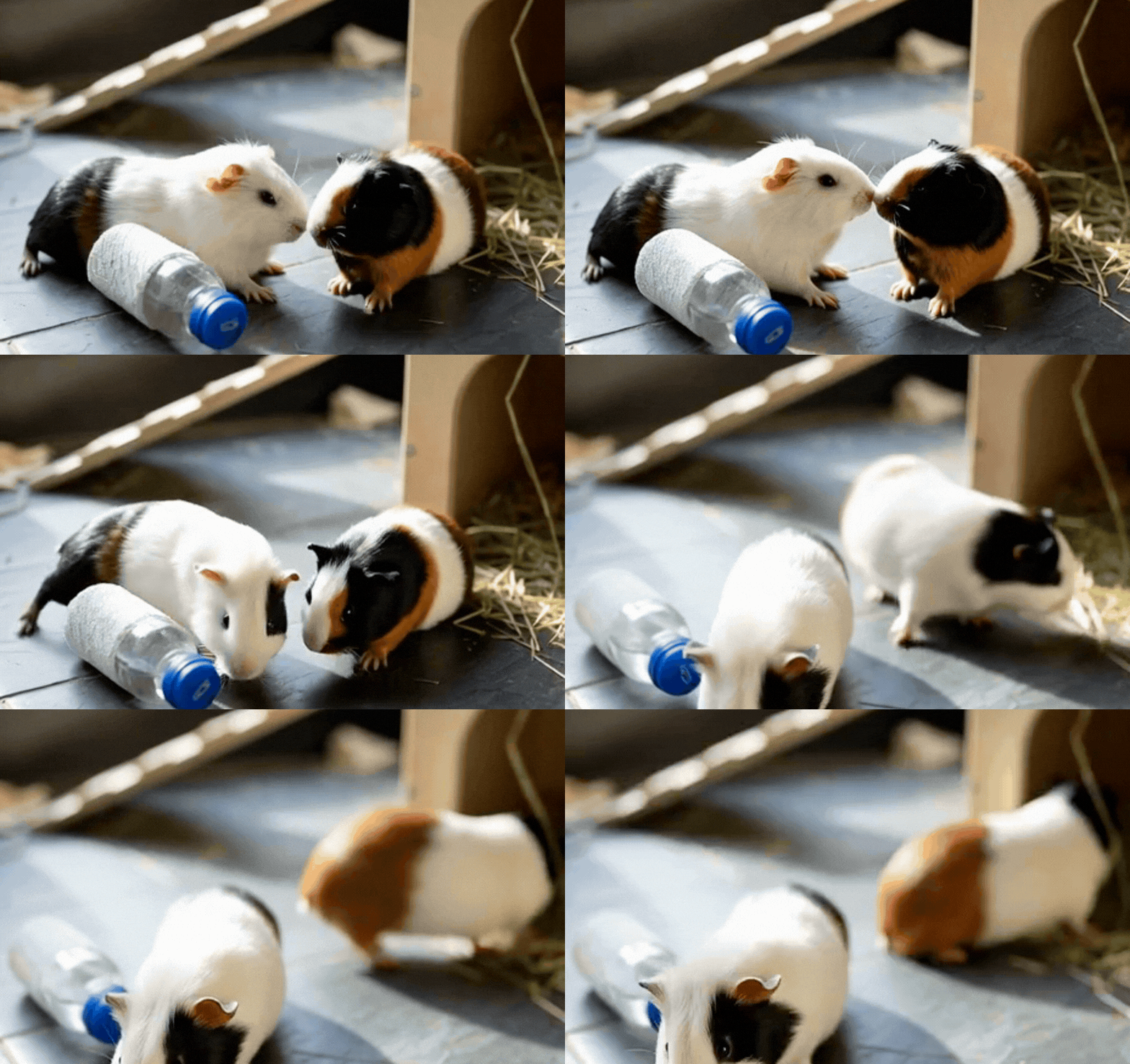
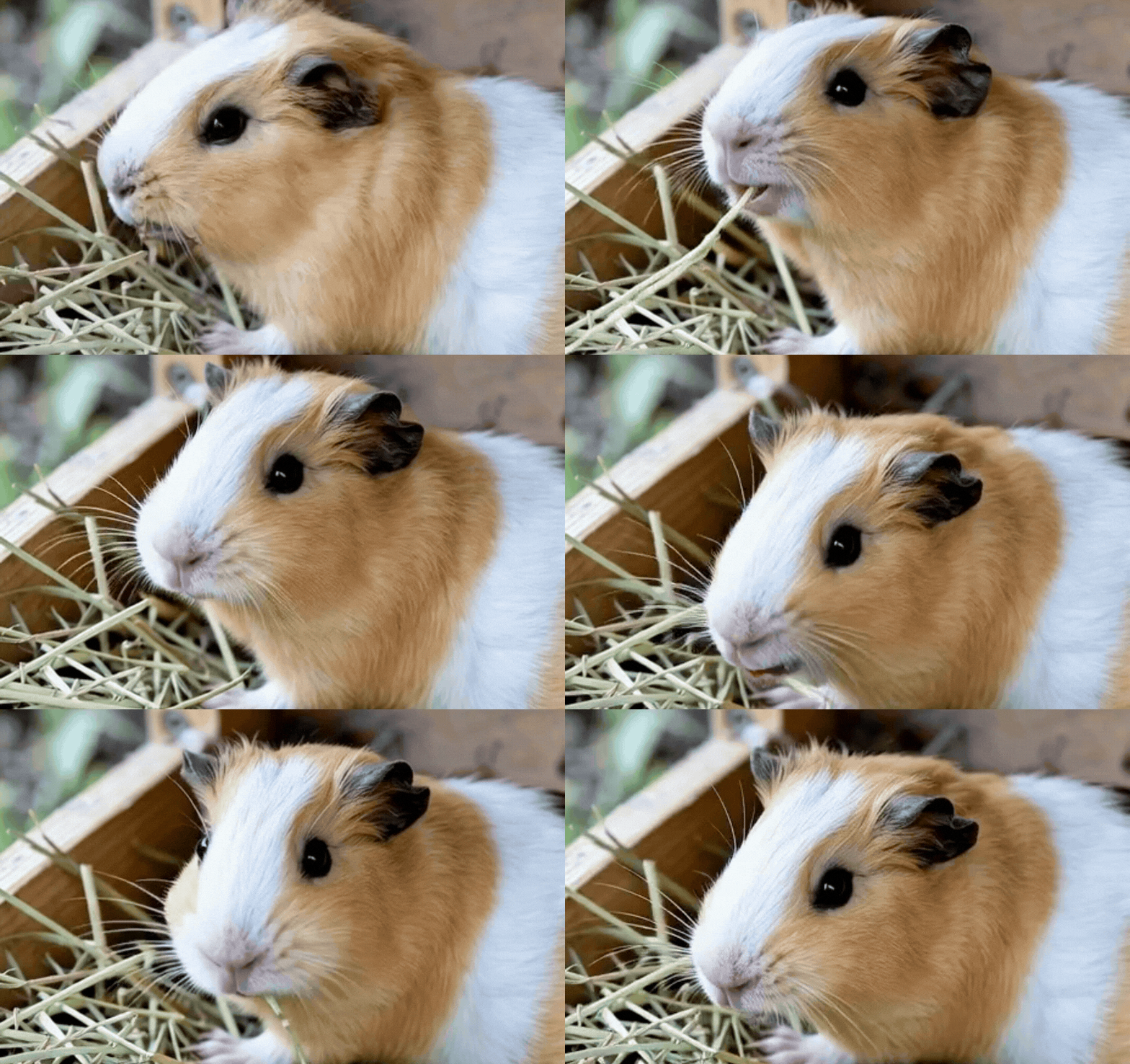
How do I bond or introduce new guinea pigs
BONDING GUINEA PIGS
Many guinea pig owners feel anxious about bringing a new pig home, worried that their existing pets will fight or never get along.
Understanding Guinea Pig Social Needs Guinea pigs are highly social animals that thrive in the company of their own kind. In the wild they live in small groups, and most pet guinea pigs feel more secure and content when they have a compatible companion. Following recognised
rabbit welfare standards can actually help here too, since the RSPCA provides excellent guidance on small rodent social groupings that applies to guinea pigs. Introducing new guinea pigs successfully depends on patience, the right environment, and understanding their natural communication signals. Rushing the process is the most common reason introductions fail.
Why Preparation Matters Before Any Meeting A thoughtful introduction starts long before the animals see each other. Make sure both guinea pigs are healthy, fully recovered from any recent illness, and ideally neutered or spayed if opposite sexes are involved (to prevent unwanted litters and reduce hormone-driven tension). Have a large enough enclosure ready – experts agree that two guinea pigs need at least 1.2 m² of floor space, with more being better. Check reliable pet health advice from the PDSA to confirm your new arrival is fit for company before attempting any bonding. Clean, neutral territory helps prevent territorial disputes.
Choosing the Best Pairing for Success The easiest and most reliable pairings are usually a neutered male with one or more females, or two females of similar age and temperament. Same-sex pairs work well when introduced young, while older males are often more territorial and harder to bond. Age, personality and previous social experience all play a role. The Rabbit Welfare Association offers outstanding resources on species-appropriate care that translate very well to guinea pig social dynamics. Avoid mixing unneutered males unless you are prepared for serious fighting.
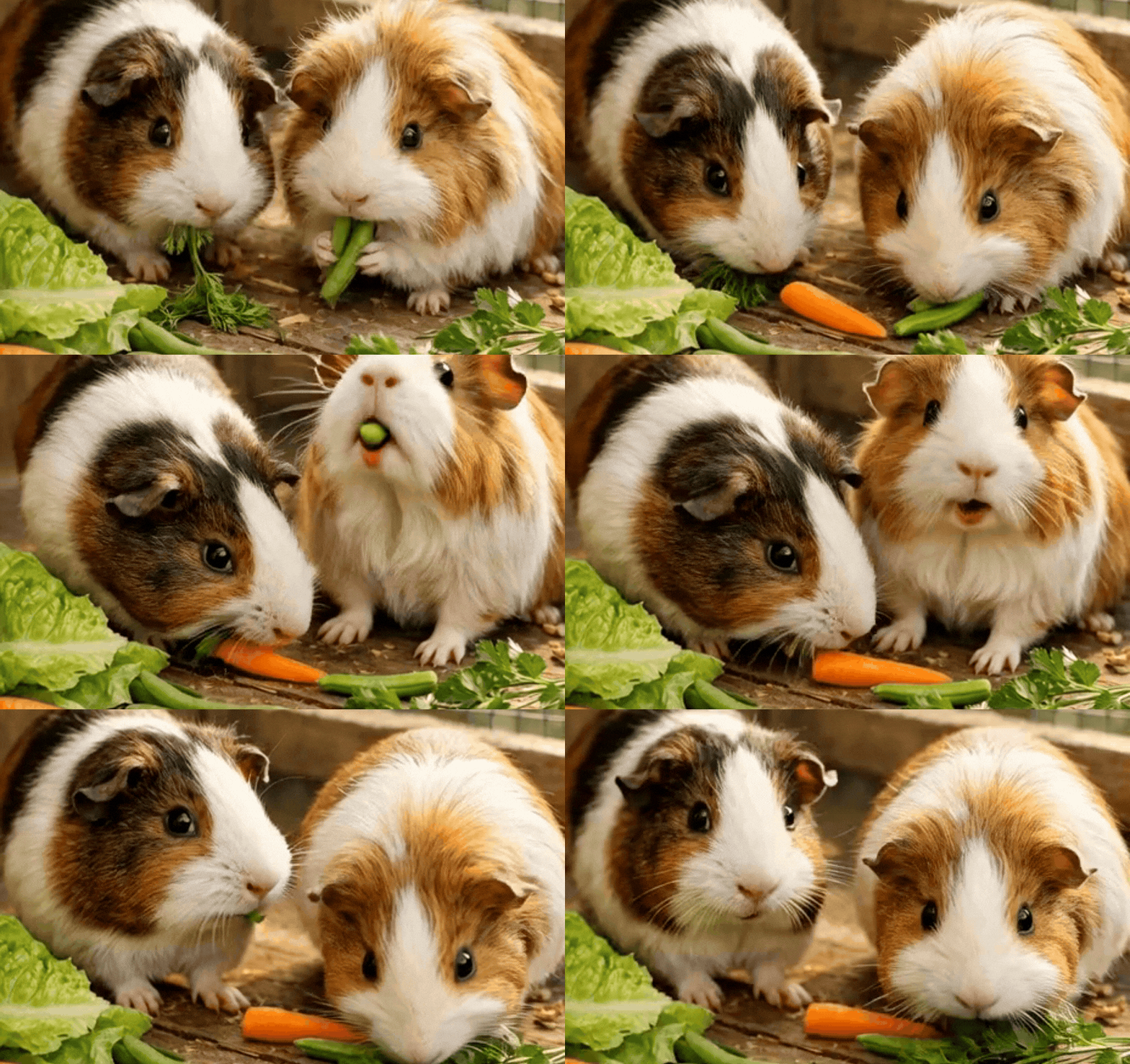
The Neutral Territory Introduction Method Most experts recommend starting introductions on completely neutral ground – a clean playpen or bathroom that neither pig has claimed as their own. Scatter plenty of hay, fresh vegetables, and hiding spots so they can eat side-by-side without feeling threatened. Supervise closely and be ready to separate them at the first sign of serious aggression (not just normal chattering or mounting). Short, positive sessions several times a day usually work better than one long attempt.
Signs of Bonding Versus Warning Signals Once guinea pigs start to groom each other, lie together, share food peacefully and explore without chasing, you’re seeing encouraging signs of a bond forming. Rumbling, light chasing and occasional nipping are normal during the early settling-in period. True fighting – drawn blood, prolonged biting of the face or genitals, or one pig constantly fleeing and hiding – means you should separate them immediately and seek further advice. Most compatible pairs settle within a few days to a couple of weeks with this careful approach.
5 Simple Tips
To help your guinea pigs become happy companions
🐭 1. Quarantine the newcomer for at least two weeks. This protects both pigs from illness and gives you time to observe the new arrival’s personality before attempting bonding.
🐹 2. Use a large, neutral space for first meetings. A clean bathtub, playpen or spare room works well – avoid putting the new pig straight into the existing enclosure.
🐾 3. Provide multiple hideouts and plenty of food. Two of everything (pigs, hay racks, water bottles, shelters) reduces competition and helps shy pigs feel secure.
💡 4. Keep sessions short and positive at first. Five to fifteen minutes several times a day is usually better than one long stressful meeting.
✨ 5. Be patient and watch body language closely. Celebrate small victories like eating together and remember that some pairs take longer to bond than others.
📌 Important note While these tips help manage normal guinea pig social behaviour, sudden changes in eating, drinking, toileting or extreme lethargy can signal health issues. Consult your vet if concerned.
5 Common Questions Answered
How do I bond or introduce new guinea pigs?
✍️ Q: Can I put two male guinea pigs together?
🐭 A: Yes, but it’s trickier than other pairings. Unneutered males are usually very territorial and may fight seriously. Neutered males have a much higher chance of getting along, especially if introduced when young. Many owners find success with a neutered male and females, or two neutered males who have grown up together.
✍️ Q: How long should I wait before letting them live together full-time?
🐹 A: There is no fixed timeline – it depends on the individuals. Some pairs settle within a day or two, while others need several weeks of supervised meetings. Only move them in together permanently once they reliably eat, sleep and play peacefully side by-side with no serious aggression.
✍️ Q: What if one guinea pig keeps chasing the other?
🐭 A: Some chasing and mounting is normal dominance behaviour, especially in the first few days. Separate them if the chased pig is constantly hiding, screaming, or showing wounds. Try shorter sessions and more hiding places. Persistent bullying usually means the pairing isn’t compatible.
✍️ Q: Should I introduce them through cage bars first?
🐹 A: Side-by-side cages can help them get used to each other’s smell and presence, but it isn’t a substitute for proper face-to-face introductions in neutral territory. Many guinea pigs ignore each other through bars, then still react strongly when finally meeting.
✍️ Q: My guinea pigs fought – can they ever be friends again?
🐭 A: Sometimes yes, sometimes no. If the fight was brief and no serious injury occurred, you can try reintroducing slowly after a cooling-off period. Deep wounds or ongoing intense aggression often mean the pair won’t be compatible. Always prioritise their safety and wellbeing.
THANK YOU
Thank you for reading this post. We hope that you found it helpful and hope to you visit this page again soon. For more information, fun facts and cute photos, please follow us on social media. ❤️
Disclosure & Disclaimer: Some of the links in this blog may be affiliate links, which means we earn a small commission if you click through and make a purchase. This comes at no additional cost to you but helps support the continued production of content. We only recommend products and services we believe will add value to our audience. The content provided is solely for informational purposes. Any advice provided is based on personal experience and research and may not be suitable for everyone. Before implementing any advice, please consult with a professional to ensure it's appropriate for your specific situation. Thank you for your support.