What is myxomatosis and how to protect against it?
RABBIT MYXOMATOSIS
Myxomatosis is a devastating viral disease that threatens pet rabbits, causing swelling around the eyes, face and genitals, often leading to death. Owners worry about outbreaks from wild rabbits or insects, especially in gardens where contact is hard to prevent.
Understanding the Disease
Myxomatosis spreads rapidly through insects like fleas and mosquitoes, or direct contact with infected wild rabbits. In the UK, outbreaks peak in autumn, with symptoms including weepy eyes, skin lumps, fever and breathing issues appearing 5 to 14 days after exposure. The virus attacks the immune system, making rabbits prone to secondary infections, and unvaccinated pets face near-certain fatality. Domestic rabbits suffer more severely than resilient wild ones, which may show milder pox-like marks. Early signs like reduced appetite demand immediate isolation to limit spread within households.
Recognising Early Symptoms
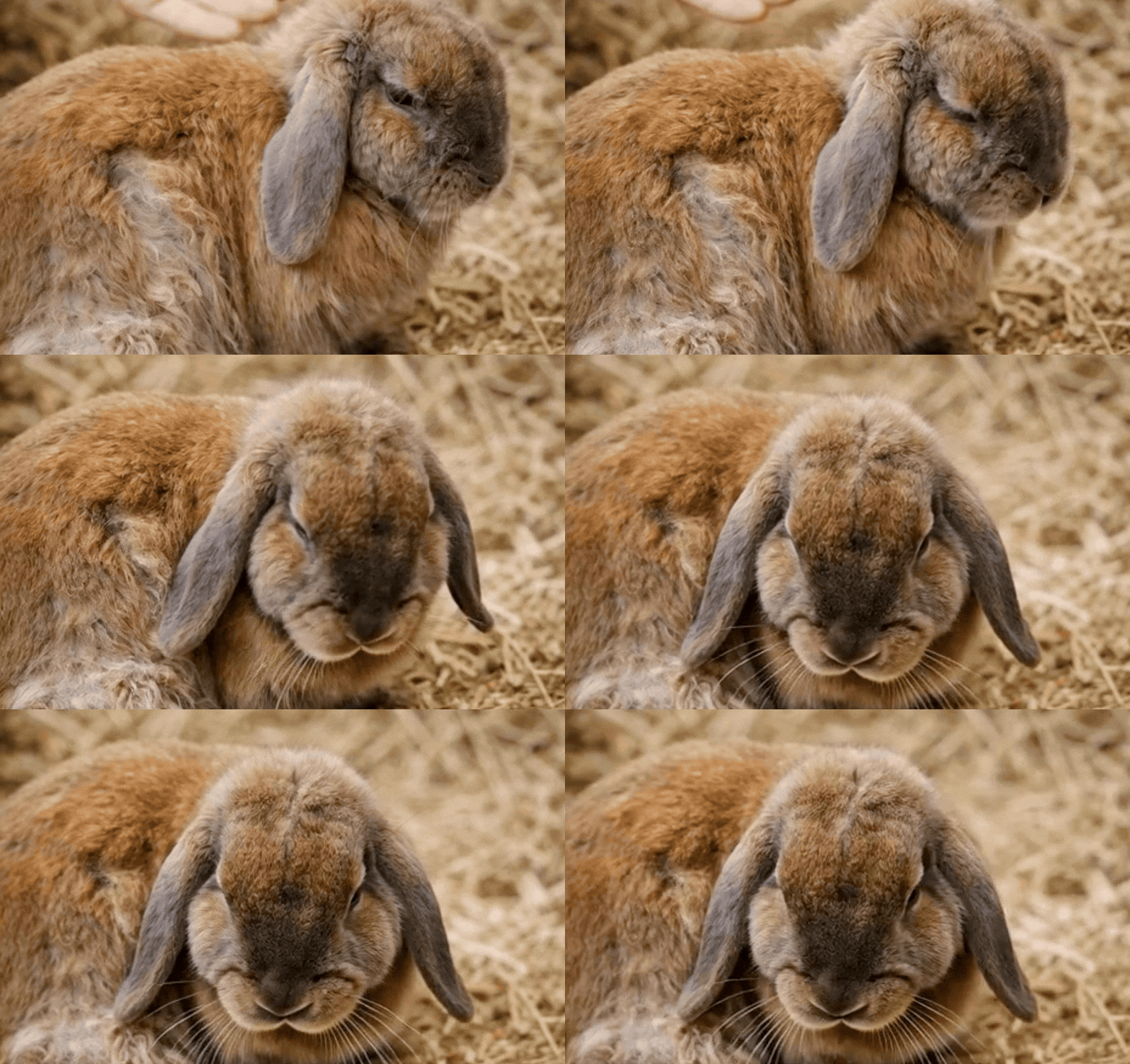
Watch for puffy eyelids, discharge from eyes or nose, and small swellings on the face, ears or limbs as the first alerts. Rabbits may become lethargic, stop eating hay, or develop genital swelling, which progresses to breathing difficulties if untreated. In vaccinated rabbits, symptoms can be milder, like localised skin nodules, allowing better recovery chances with support. Check daily during high-risk seasons, as rabbits hide illness well, and subtle changes like hunched posture signal urgency. Note breed differences, such as lop-eared rabbits facing higher eye risks due to conformation.
Vaccination as Primary Defence
Annual vaccination from five weeks old provides the strongest protection, using combined vaccines against myxomatosis and RHD strains common in the UK. Booster every year maintains immunity, as maternal antibodies fade quickly in youngsters. Vets administer Nobivac Myyo or similar live recombinant types during routine checks, ideal before outdoor season. Unvaccinated rabbits have minimal survival odds, even with intensive care, so prioritise this for indoor and garden-kept pets alike. Pair with health checks to catch any vaccine gaps early.
Insect and Wild Rabbit Barriers
Fit fine mosquito netting over hutches and runs, burying mesh 30cm underground to block burrowing wild rabbits, a key UK reservoir. Eliminate stagnant water in bird baths or gutters to deter mosquitoes, and use vet-prescribed rabbit-safe flea treatments year-round. Keep enclosures spotless, opting for dust-extracted hay to minimise irritation, while double-fencing gardens stops wild incursions. Treat household cats and dogs for fleas too, preventing cross-spread, and avoid log piles that attract wildlife. These steps, as this PDSA guide on myxomatosis prevention outlines, drastically cut transmission risks.
Quarantine and Hygiene Protocols
Isolate new rabbits for 2-3 weeks in separate areas, using dedicated bowls and foot disinfection to avoid fomite spread. Wash hands thoroughly between handling groups, and disinfect hutches with rabbit-safe solutions if exposure is suspected. Quarantine applies even to vaccinated arrivals, allowing symptoms to emerge safely. For multi-rabbit homes, stagger introductions and monitor shared spaces closely. Stress reduction through ample hiding spots and companions bolsters immunity during this period.
Boosting Overall Resilience
A hay-based diet with limited pellets, fresh greens like dandelions and daily exercise supports immune strength against viruses. Larger breeds over 3.5kg need slightly more pellets, split twice daily, while avoiding sugary treats prevents obesity-linked weakness. Indoor housing during peak insect times, paired with enrichment toys, lowers stress that suppresses defences. Annual vet exams catch unrelated issues early, and neutering reduces hormone-driven roaming risks near wild areas. Social pairing prevents loneliness, a subtle immunity drain in solitary rabbits.
5 Simple Tips
To help protect your rabbit from myxomatosis
🐰 1. Book annual vaccinations promptly, starting at five weeks, to build lifelong defence against this deadly virus. Combine with RHD shots for full coverage in UK climates. Schedule before autumn outbreaks peak. Your vet confirms timing based on lifestyle.
🐇 2. Install buried mesh fencing and mosquito nets on all enclosures for robust insect and wild rabbit exclusion. Check weekly for gaps, especially after storms. This pairs well with garden proofing. Opt for UV-resistant materials for longevity.
🐾 3. Apply vet-recommended flea preventatives monthly, treating all household pets to block flea vectors. Avoid dog or cat products, which can toxify rabbits. Rotate brands if advised for resistance. Clean bedding frequently alongside.
💡 4. Remove garden attractants like food scraps or water pools that draw mosquitoes and wildlife near your setup. Use gravel borders to deter burrows. Plant rabbit-safe herbs as natural repellents. Monitor nightly during warm spells.
✨ 5. Quarantine newcomers fully while providing identical diets and monitoring behaviour closely for hidden symptoms. Disinfect tools separately. This protects established groups effectively. Reintroduce only after vet clearance.
📌 Important note While these tips help manage normal rabbit behaviour, sudden changes can signal health issues. Consult your vet if concerned.
5 Common Questions Answered
What is myxomatosis and how to protect against it?
✍️ Q: Is myxomatosis curable?
🐰 A: No specific cure exists, as it's viral, but vaccinated rabbits often recover from mild cases with supportive care like fluids and antibiotics for infections. Unvaccinated ones rarely survive, facing euthanasia to prevent suffering. Focus on prevention over treatment. Early vet intervention improves outcomes.
✍️ Q: When should I vaccinate?
🐇 A: Start at five weeks old, then boost annually before insect season in late summer. Maternal immunity wanes fast, so don't delay kits. Vets tailor to indoor or outdoor life. Miss a year, and risk skyrockets.
✍️ Q: Can indoor rabbits get it?
🐾 A: Yes, via fleas on clothing or other pets, though outdoor ones face higher wild exposure. Net windows and treat for fleas regardless. Vacuum often to remove hitchhikers. Full indoor life cuts but doesn't eliminate risk.
✍️ Q: What if my rabbit shows symptoms?
💡 A: Isolate immediately, warm them, and rush to vet for assessment, as rapid decline follows. Supportive fluids and pain relief help vaccinated cases survive. Never self-treat, as secondary issues complicate. Prognosis hinges on vaccination status.
✍️ Q: How do wild rabbits spread it?
✨ A: They carry the virus asymptomatically, passing it via shared fleas or direct contact in gardens. Fencing and hygiene break this cycle effectively. UK populations sustain year-round reservoirs. Avoid feeding them to keep distance.
THANK YOU
Thank you for reading this post. We hope that you found it helpful and hope to you visit this page again soon. For more information, fun facts and cute photos, please follow us on social media. ❤️
Disclosure & Disclaimer: Some of the links in this blog may be affiliate links, which means we earn a small commission if you click through and make a purchase. This comes at no additional cost to you but helps support the continued production of content. We only recommend products and services we believe will add value to our audience. The content provided is solely for informational purposes. Any advice provided is based on personal experience and research and may not be suitable for everyone. Before implementing any advice, please consult with a professional to ensure it's appropriate for your specific situation. Thank you for your support.