What is bumblefoot and how to prevent it?
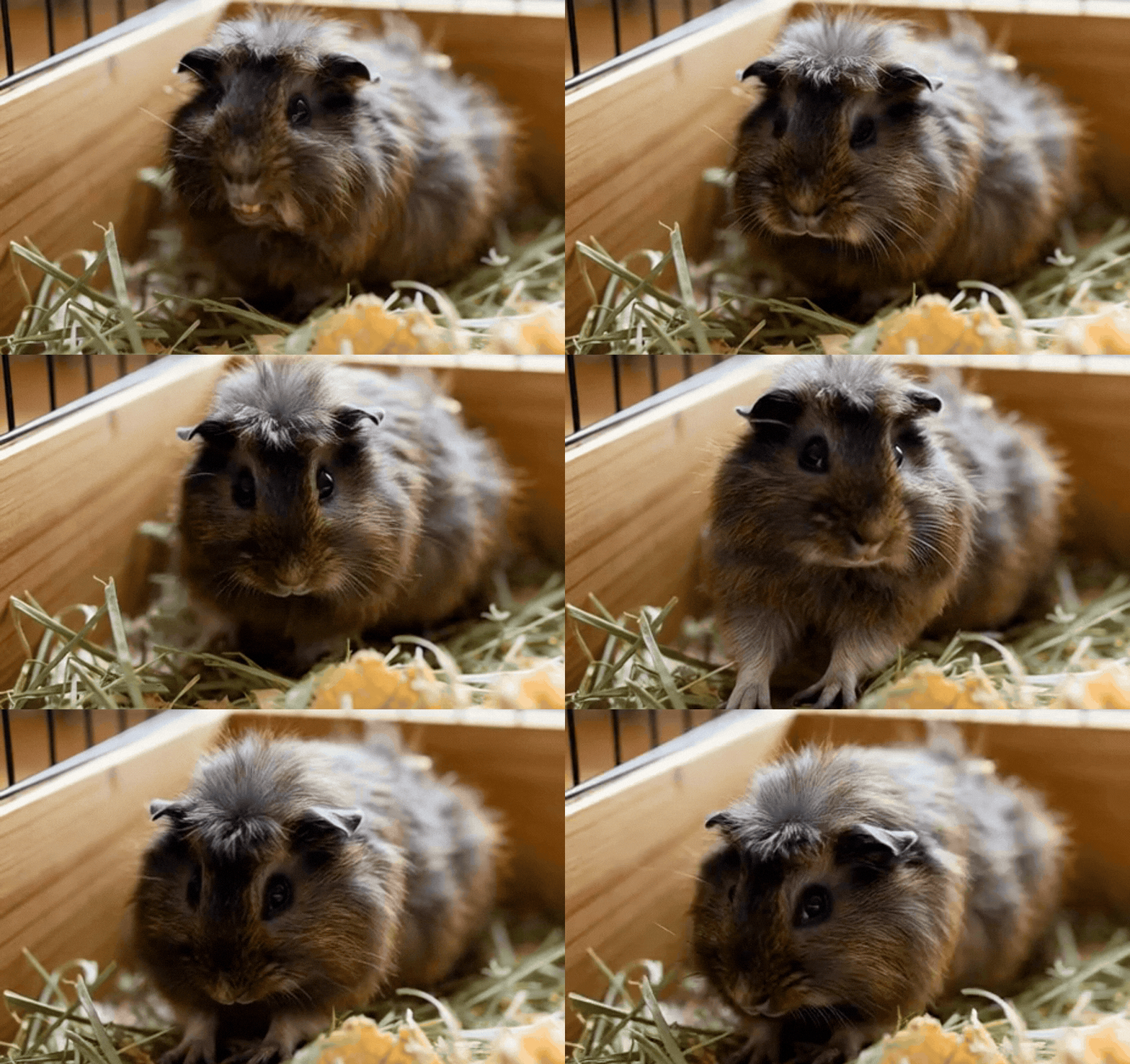
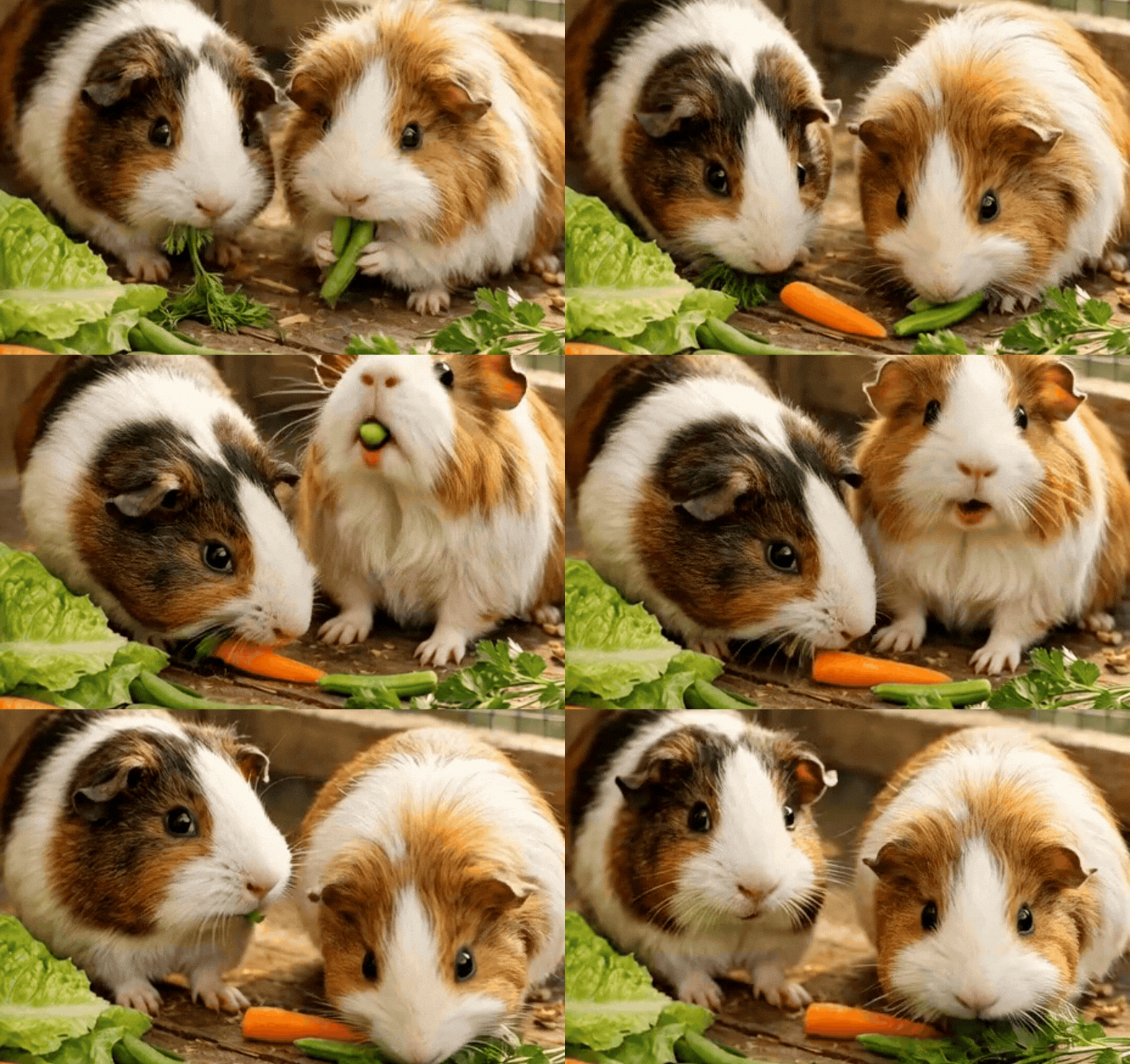
bumblefoot in guinea pigs
Guinea pigs often face bumblefoot, a painful footpad inflammation that starts small but can worsen without prompt care. Owners worry about spotting early signs like redness or limping, fearing it signals poor husbandry or infection.
Spotting the Signs Early
Bumblefoot, or pododermatitis, appears as swollen, red footpads with possible scabs, sores, or limping in guinea pigs. Affected pets may avoid walking, lose weight, or show reluctance to move due to pain. Front feet often suffer first from extra pressure during movement. Check feet weekly by gently lifting each paw, noting any heat, pus, or flaky skin. Early detection prevents abscesses or bone involvement, which complicate recovery.
Common Causes at Home
Hard wire floors, soiled wet bedding, or abrasive surfaces cause most cases by weakening delicate footpad skin. Overweight guinea pigs face higher risk as excess weight presses unevenly on feet, especially in small cages lacking space. Poor diet lacking vitamin C weakens immunity, while infrequent cleaning lets bacteria like Staphylococcus thrive in damp areas. Older or young pigs are vulnerable due to thinner skin or developing pads. Avoid overcrowding, as it limits exercise and worsens obesity.
Prevention Through Bedding Choices
Soft, absorbent bedding like fleece liners or thick hay layers cushions feet and wicks moisture effectively in UK homes. Change soiled spots daily to keep the cage dry, reducing bacterial growth in cooler damp climates. Solid flat floors without wire grates distribute weight evenly, unlike mesh that traps toes. Add hiding spots with extra padding for resting, encouraging natural postures. Guinea pigs on such setups rarely develop pressure sores, staying active and pain-free.
Daily Husbandry for Healthy Feet
Regular nail trims every 2-4 weeks prevent overgrowth that alters gait and stresses pads, as PDSA explains in their guinea pig foot care guide. Spot-clean cages daily and full clean weekly with pet-safe disinfectants to eliminate urine buildup. Offer unlimited timothy hay, vitamin C veggies like peppers, and measured pellets to maintain ideal weight around 1-1.5kg for adults. Rotate toys for exercise, mimicking wild foraging to build foot muscle. These habits cut bumblefoot risk by over 80% in home setups.
Monitoring Weight and Diet
Weigh guinea pigs monthly using a kitchen scale to catch gradual gains early, adjusting hay-to-pellet ratios as needed. Obesity strains feet, so provide 80% hay diet with daily weigh-ins for at-risk pets. Introduce new foods gradually to avoid diarrhoea that soils bedding further. Annual vet checks confirm healthy pads during routine exams. Balanced nutrition supports thick skin resilience against minor abrasions.
Exercise and Enrichment Routine
Daily floor time in a playpen with soft towels builds leg strength and prevents stiffness from cage life. Scatter veggies to encourage stretching and hopping, distributing foot pressure naturally. Group housing works if space allows 1.5m² per pair, but monitor hierarchies to avoid bullying injuries. Rotate enrichment like tunnels weekly to keep interest high without wear. Active pigs develop tougher pads naturally over time.
5 Simple Tips
To help prevent bumblefoot
🐭 1. Layer fleece over coroplast bases for all-day cushioning without dust that irritates skin. Spot-check moisture twice daily, especially in humid UK winters, replacing damp patches promptly. This mimics dry grassland habitats guinea pigs thrive in naturally.
🐹 2. Trim nails biweekly with small pet clippers, stopping at the pink quick to avoid bleeds. Overgrown nails force unnatural strides, raising sore risk on any surface. Practice handling feet gently from weaning for stress-free trims.
🐾 3. Maintain 1m² minimum cage space per pig, expanding for multiples with C&C grids from UK suppliers. Cramped areas limit movement, fattening feet-prone pigs faster. Add levels only if fully ramped with carpet for safe access.
😊 4. Feed 50g daily pellets plus unlimited meadow hay, topping with daily red pepper slices for vitamin C. Deficiencies thin pads, inviting cracks; weigh portions to prevent obesity in neutered adults. Fresh water via bottles avoids bacterial bowls.
💫 5. Inspect feet during weekly weighs, noting colour changes or heat immediately. Clean with damp cloth and dry thoroughly, applying plain vaseline if dry. Early tweaks like softer bedding halt progression before vet visits.
5 Common Questions Answered
What is bumblefoot in guinea pigs and how to prevent it?
✍️ Q: Can mild redness be early bumblefoot?
🐹 A: Yes, dry flaky redness signals stage one pododermatitis from friction or dampness. Isolate the pig on fresh fleece and monitor daily while boosting vitamin C intake. If no improvement in 48 hours, seek vet antibiotics to stop spread. Most mild cases resolve with husbandry fixes alone.
✍️ Q: Does wire flooring always cause it?
🐭 A: Wire grates trap toes and abrade pads directly, making bumblefoot near-certain long-term. Switch to solid bases permanently, as even short exposure risks cuts for thin-skinned breeds. UK rescues report 90% drop in cases post-switch.
✍️ Q: How often change bedding really?
🐾 A: Daily spot cleans suffice for fleece, full strip weekly to kill bacteria. Urine soaks weaken skin fastest, so lift pigs gently to check corners. Dry hay atop absorbs extras without mould in our climate.
✍️ Q: Is obesity the main factor?
😊 A: Extra weight multiplies pressure 2-3x on front pads during pops and wheeks. Aim for 1.1kg average via hay-only evenings; active playpens help slenderise without stress. Track trends monthly for silent gainers.
✍️ Q: When to call the vet urgently?
💫 A: Limp, pus, or appetite loss demand same-day checks for infection or abscesses. Delays risk bone spread needing surgery. Vets culture swabs for targeted antibiotics, healing most in 2-4 weeks with home care.
THANK YOU
Thank you for reading this post. We hope that you found it helpful and hope to you visit this page again soon. For more information, fun facts and cute photos, please follow us on social media. ❤️
Disclosure & Disclaimer: Some of the links in this blog may be affiliate links, which means we earn a small commission if you click through and make a purchase. This comes at no additional cost to you but helps support the continued production of content. We only recommend products and services we believe will add value to our audience. The content provided is solely for informational purposes. Any advice provided is based on personal experience and research and may not be suitable for everyone. Before implementing any advice, please consult with a professional to ensure it's appropriate for your specific situation. Thank you for your support.