Why does my cat knead or make biscuits?
WHY DO CATS KNEED?
Many cat owners feel puzzled or even slightly worried when their cat suddenly starts rhythmically pushing their paws against a soft surface, wondering if it means something is wrong.
Understanding the instinct behind kneading
Kneading, often called “making biscuits”, is a completely natural behaviour that begins in kittenhood. While nursing, tiny kittens rhythmically press their paws against their mother’s belly to encourage milk let-down, and this motion becomes permanently linked with feelings of safety, warmth and contentment. Adult cats carry the habit forward, usually displaying it when they feel deeply relaxed and secure in their environment. According to
reliable feline behaviour guidance, kneading remains one of the strongest everyday signs that your cat feels happy, bonded and at ease. It is almost always a positive expression rather than a sign of any problem.
What kneading tells us about your cat’s emotions
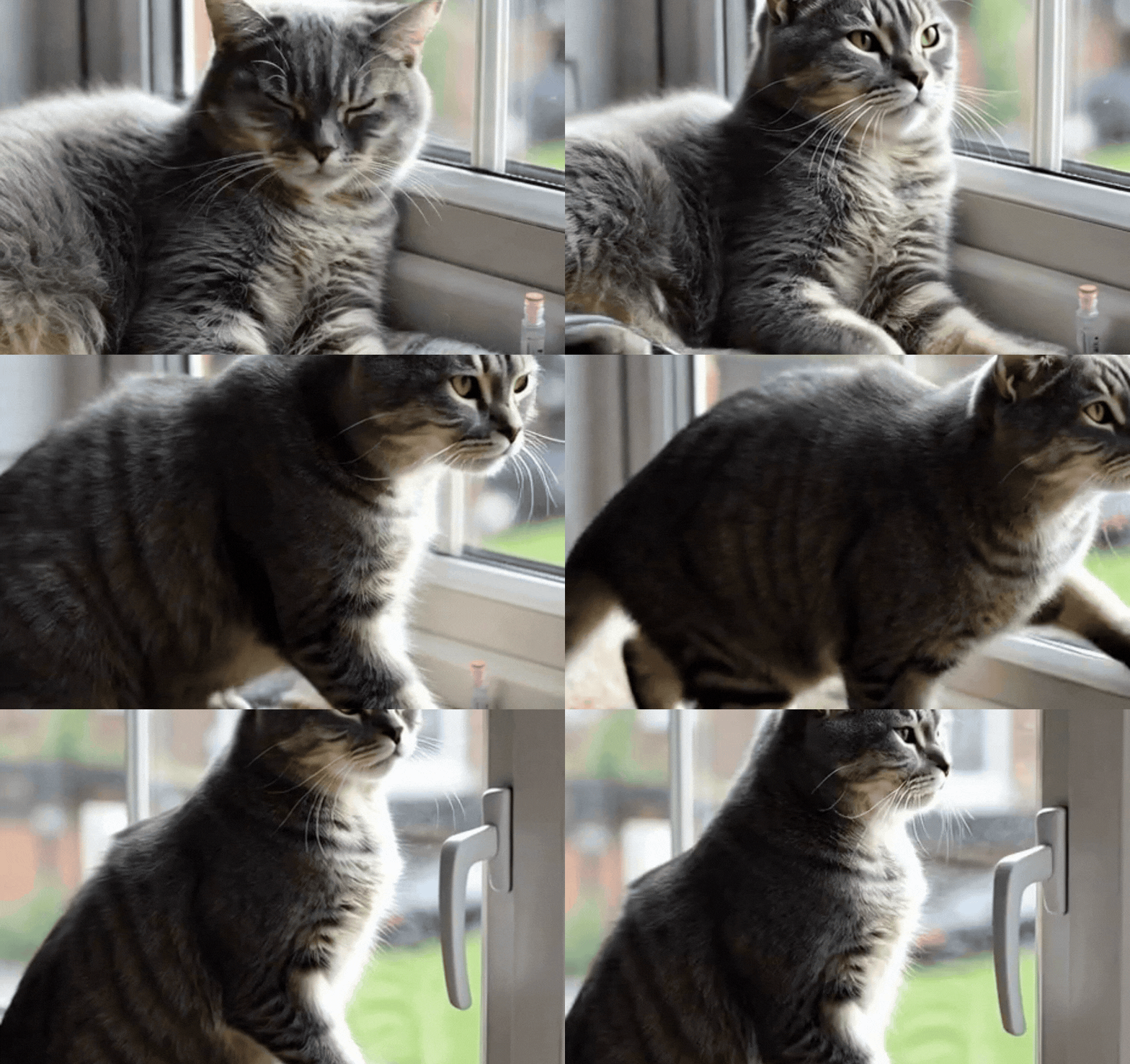
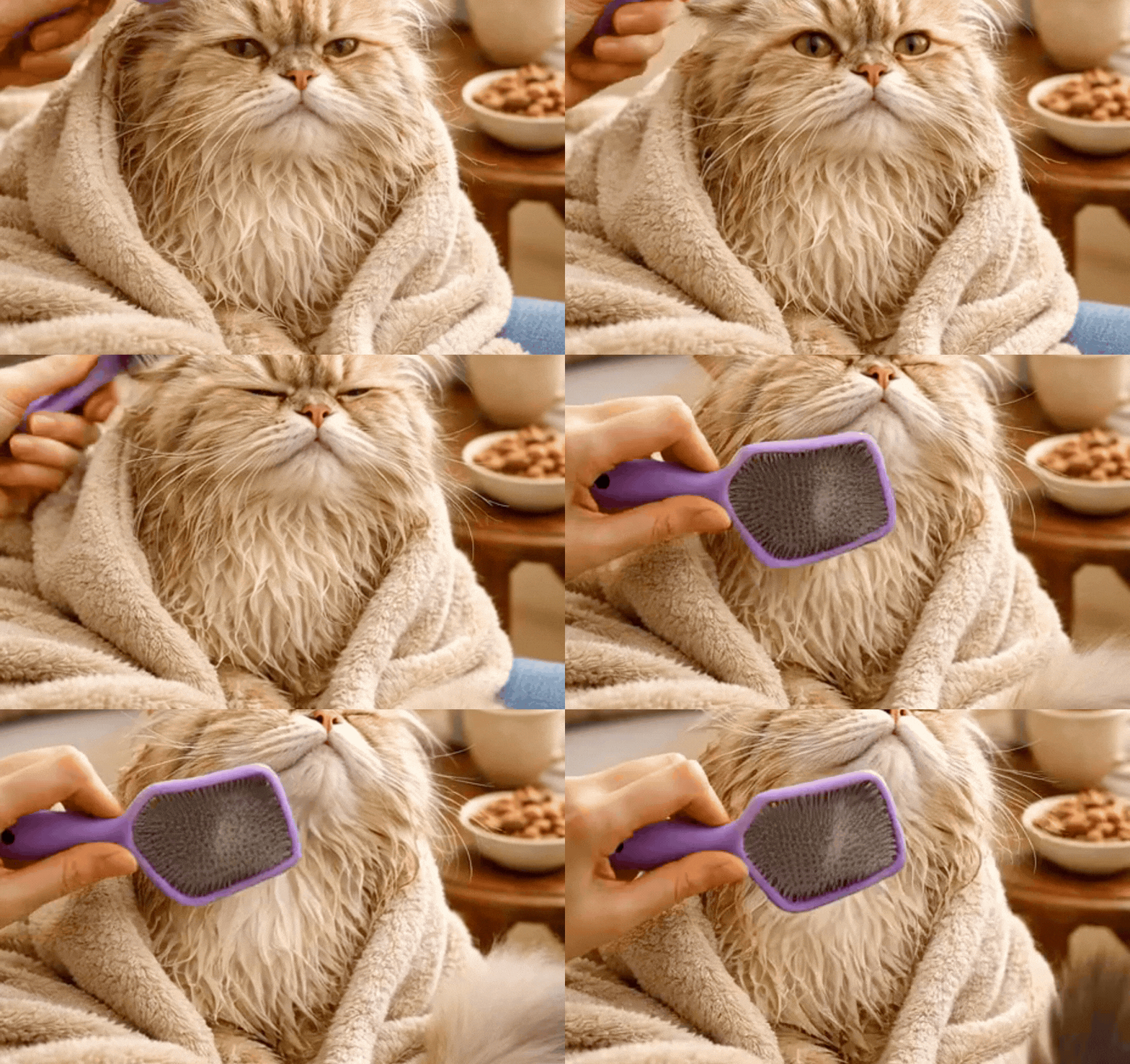
Most cats knead during moments of pure relaxation, often accompanied by loud purring, slow blinking or half-closed eyes. The behaviour commonly appears while curled on your lap, settled on a favourite blanket or when you are giving gentle strokes. Many owners notice their cat chooses particular people or scented items that feel especially comforting. Evidence-based pet health information highlights that kneading is strongly connected to positive emotional wellbeing in cats and only very rarely linked to discomfort when everything else appears normal. When your cat is eating well, using the litter tray as usual and staying active, the biscuit-making is typically a sweet display of trust.
How early experiences shape adult kneading habits
Cats that were weaned early or hand-reared sometimes knead more intensely or for longer periods as adults because they did not experience the natural reduction in the behaviour that occurs alongside mum. These cats often seek out extra tactile comfort throughout life. Trusted species-appropriate care resources explain that offering a variety of soft, safe textures allows cats to satisfy this instinct without resorting to scratching furniture or digging into skin. Setting up several cosy, dedicated kneading spots with old fleeces, thick jumpers or purpose-made plush beds usually channels the behaviour happily and protects household items.
When kneading might need a closer look Although kneading is normal, sudden changes in the behaviour can occasionally signal an underlying issue. If your cat starts kneading excessively, seems restless while doing it, or combines the action with unusual vocalising, excessive licking or hiding, it is worth monitoring closely. Some cats knead more when they are uncomfortable, particularly if they have sore joints, mild tummy upset or early signs of stress. Always watch the whole picture, including appetite, litter tray habits and general activity levels.
Helping your cat knead happily and safely Most owners quickly learn to enjoy the gentle massage-like sensation of kneading, but sharp claws can sometimes prick skin or snag fabrics. Keeping your cat’s claws trimmed every two to three weeks makes the experience more comfortable for everyone. Offering thick, folded blankets gives their paws something sturdy to work against, and many cats prefer slightly warm surfaces because they mimic the comforting heat of their mother. Placing a favourite blanket over your lap before inviting them up can encourage settled, happy kneading sessions.
5 Simple Tips
To help your cat knead safely and happily
🐱 1. Trim claws gently every two to three weeks using quality cat nail clippers, removing only the sharp hooked tip. This quick routine prevents scratches during excited kneading and saves your favourite jumpers from pulls. Introduce it slowly with plenty of praise and treats for a stress-free experience.
🐾 2. Create multiple soft kneading zones around the house using thick fleece blankets, old knitted jumpers or plush cat beds. Choose textures your cat seems drawn to and place them in quiet, sunny or warm spots. This simple change usually reduces unwanted kneading on furniture or delicate fabrics.
😊 3. Offer warmth whenever possible, such as a low-heat cat pad, sunny windowsill with a folded blanket or simply your lap after you have been sitting still. Many cats knead more enthusiastically and calmly when they feel cosy, making these moments even more enjoyable.
🙌 4. Keep a thick, folded throw handy to place between your lap and your cat if claws start to feel too sharp. Most cats happily transfer their kneading to the new surface without losing their relaxed, purring mood.
💫 5. Observe and celebrate the behaviour as the compliment it usually is. Regular kneading paired with purring, relaxed ears and slow blinks shows your cat feels completely secure and loved in your home.
📌 Important note While kneading is a normal, happy behaviour in cats, any sudden increase, decrease or change in how your cat kneads, especially when combined with other signs such as reduced appetite, hiding, excessive grooming or unusual toileting, can indicate discomfort or illness. Contact your vet promptly if you are worried.
5 Common Questions Answered
Why does my cat knead or make biscuits?
✍️ Q: Does kneading mean my cat is still a kitten at heart?
🐱 A: Not quite, but it does show they have kept a comforting kittenhood ritual into adulthood. Kneading is a self-soothing habit many cats never fully outgrow, especially when they feel safe and content. It is one of the loveliest ways they express trust in you.
✍️ Q: Why does my cat knead me and then give little bites?
🐾 A: This common pairing is often called “love biting” or over-stimulation biting. While kneading and stroking feel wonderful, your cat can reach a point of sensory overload. The gentle nip is their polite signal that they have had enough touch for now.
✍️ Q: Is it a problem if my cat kneads so hard they make holes in blankets?
😊 A: It is not harmful to their wellbeing, though it can be annoying for your soft furnishings. Providing thicker, sturdier blankets or a dedicated kneading mat protects your belongings while still letting your cat enjoy the instinct. Regular claw trims also help limit damage.
✍️ Q: My older cat has started kneading much more lately, should I worry?
🙌 A: It is frequently normal, particularly if they are seeking additional comfort or reassurance in later life. Senior cats sometimes return to stronger kitten-like behaviours when they feel a bit more vulnerable. That said, any noticeable behaviour shift in an older cat is worth a vet check to rule out pain or illness.
✍️ Q: Can I stop my cat from kneading altogether?
💫 A: It is not advisable because kneading is a natural, positive expression of relaxation and happiness. Rather than trying to eliminate it, most owners prefer to redirect the action to suitable surfaces and keep claws trimmed. Suppressing such an instinctive behaviour can create unnecessary stress for your cat.
THANK YOU
Thank you for reading this post. We hope that you found it helpful and hope to you visit this page again soon. For more information, fun facts and cute photos, please follow us on social media. ❤️
Disclosure & Disclaimer: Some of the links in this blog may be affiliate links, which means we earn a small commission if you click through and make a purchase. This comes at no additional cost to you but helps support the continued production of content. We only recommend products and services we believe will add value to our audience. The content provided is solely for informational purposes. Any advice provided is based on personal experience and research and may not be suitable for everyone. Before implementing any advice, please consult with a professional to ensure it's appropriate for your specific situation. Thank you for your support.