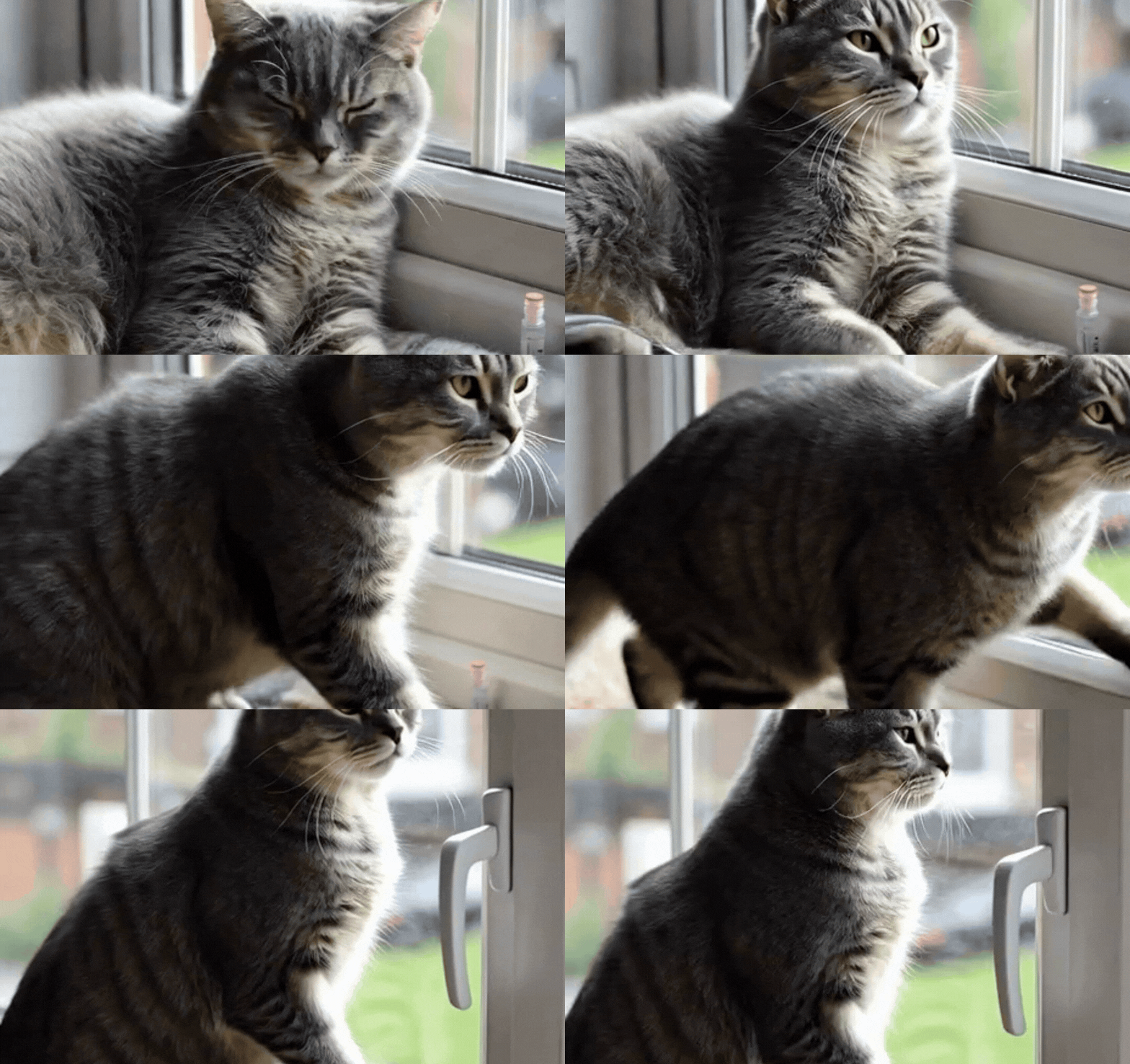
Why is my cat's nose wet or dry?
CAT NOSE WET OR DRY
Cat owners frequently notice their pet's nose changing from wet to dry and wonder if it points to illness or just normal behaviour.
Normal Variations
A cat's nose naturally alternates between wet and dry many times daily due to grooming, sleeping, and environment. Moisture arises from nasal glands producing mucus for scent detection, plus saliva from licking and tears draining into the nose. In UK homes with central heating, dryness increases from low humidity, while damp weather adds wetness. These shifts support healthy cats without concern.
Reasons for Wet Noses
Cats keep noses moist to enhance smell by dissolving airborne particles efficiently. Grooming spreads saliva across the nose leather, and eating or yawning brings tear fluid via ducts. Humid UK summers or post-drink sessions amplify this, aiding natural cooling since paws handle most sweating. Brief wetness reassures owners of active sensory function.
Everyday Dryness Causes
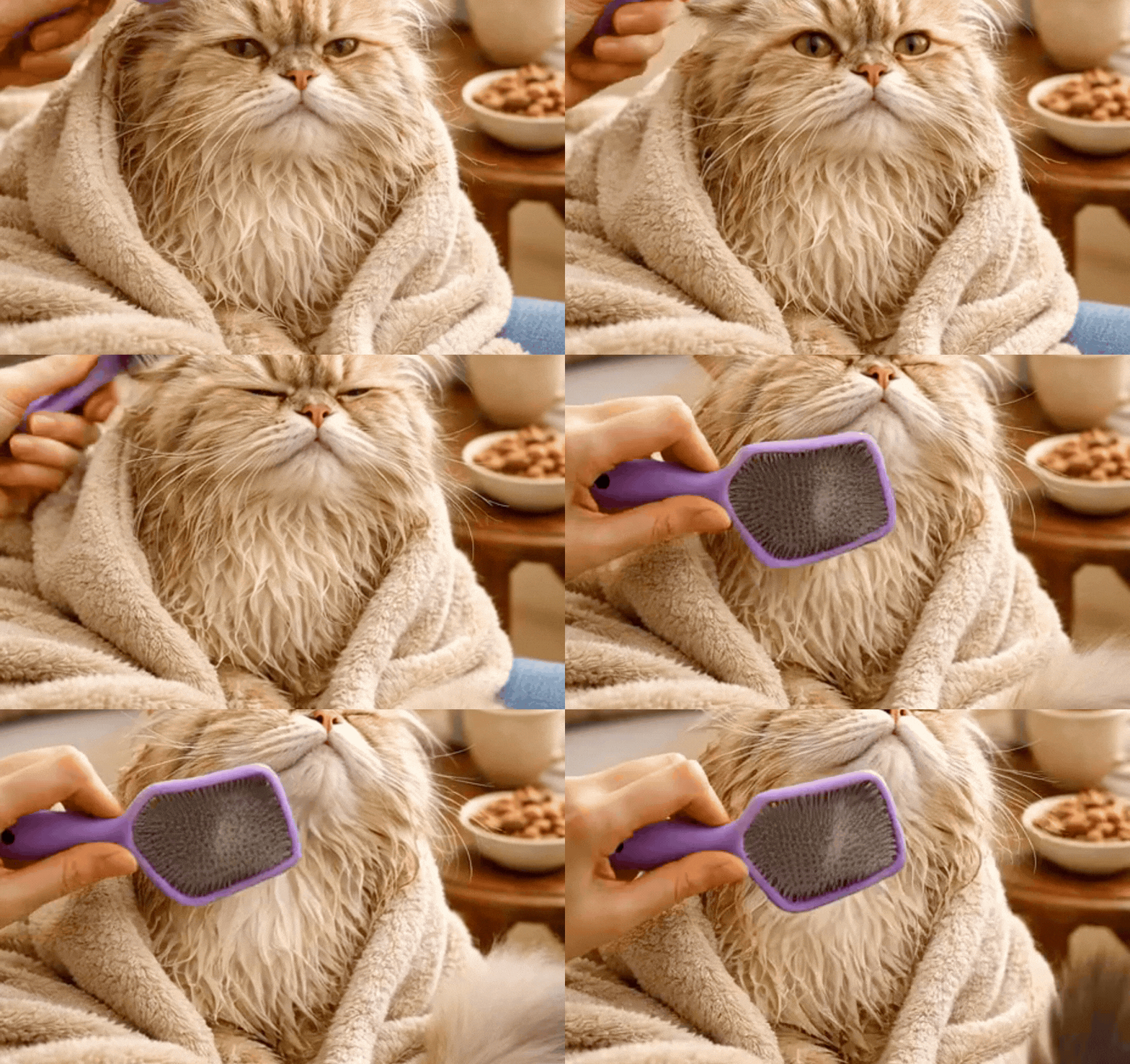
Sleeping dehydrates the nose surface as glands pause, common after naps near radiators in chilly UK winters. Sunbathing or breezy rooms evaporate moisture quickly, especially in brachycephalic breeds like Persians with exposed skin. Age slows oil production in seniors, and mild dehydration from dry kibble diets contributes. Lively cats with dry noses thrive fine.
Potential Health Flags
Cracked dry noses may link to allergies from pollen or household dust prevalent in UK springs, eased by air purifiers. Excessively wet noses with coloured discharge often signal infections or colds, worsened in multi-cat setups. Watch for lethargy, sneezing, or appetite loss alongside changes, as this RSPCA cat health page confirms on symptoms. Early observation prevents escalation.
Home Monitoring Routine
Check noses twice daily while stroking, noting patterns over texture alone for context. Boost water intake with fountains mimicking streams cats prefer in UK tap water. Place beds away from vents to stabilise humidity naturally.
5 Simple Tips
To help monitor your cat's nose health
🐱 1. Observe morning and evening alongside behaviour like playfulness or eating well. Note weather impacts in a simple log for trends over days. This builds confidence without panic.
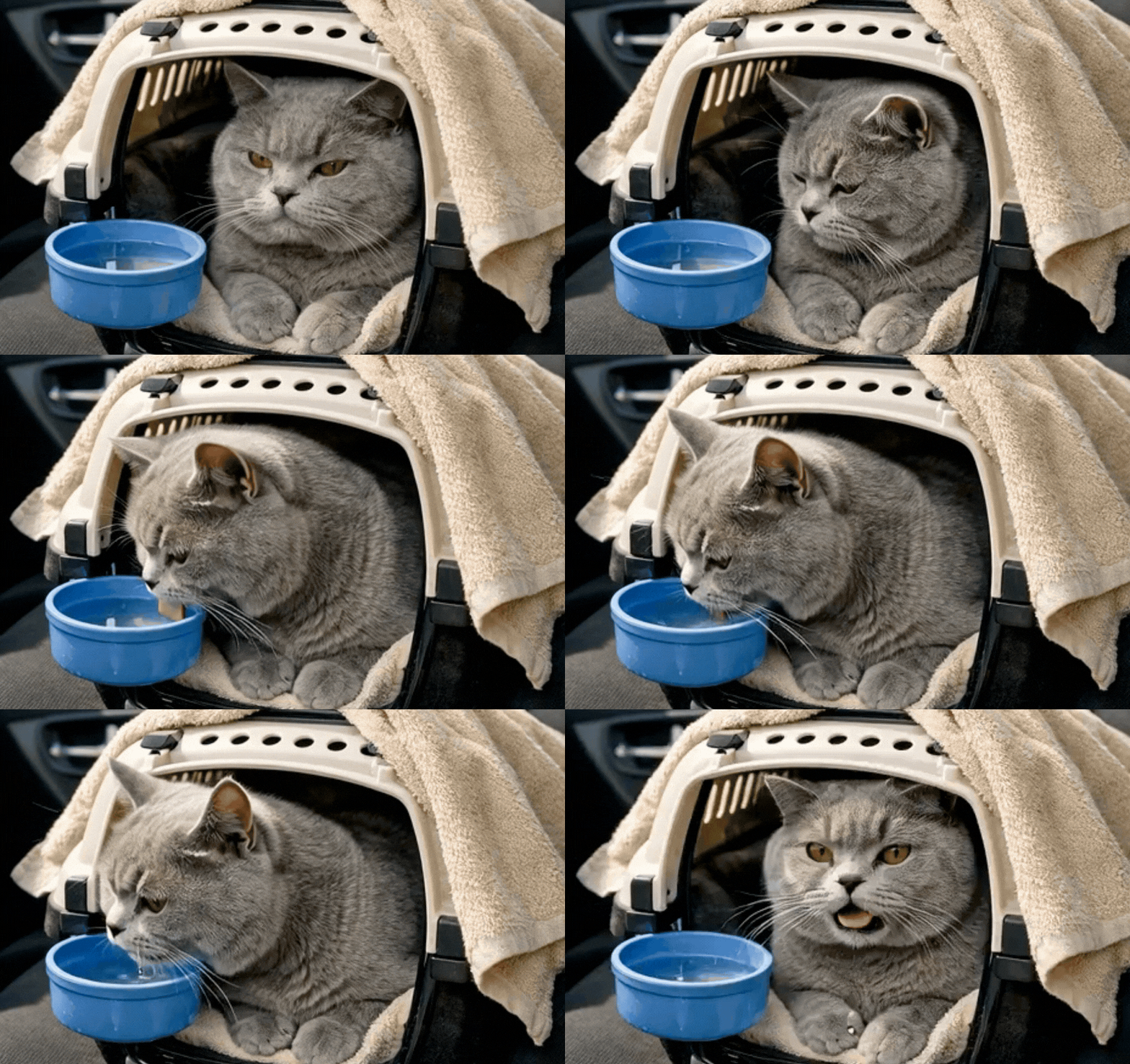
🐾 2. Provide running water fountains and wet food bowls to counter dry kibble effects. Cats drink more from motion, vital in low-humidity flats. Refresh daily for appeal.
😊 3. Avoid direct heat sources by relocating beds to cooler spots during heating season. Humidifiers maintain balance in sealed homes. Draught-free zones soothe sensitive noses.
🙌 4. Clean bowls with mild soap, opting for ceramic over plastic for allergy-prone cats. Persians tolerate smooth edges best on short muzzles. Rinse thoroughly to remove residues.
💫 5. Gently dab with damp flannel post-grooming if dusty, using lukewarm water only. Pair with chin scratches for bonding. Avoid soaps entirely.
5 Common Questions Answered
Why is my cat's nose wet or dry?
✍️ Q: Does dry mean dehydration?
🐱 A: Sometimes, but sleep or heat often cause it more than thirst in healthy cats. Offer varied water sources like bowls and drippers to encourage intake. Monitor urine output for true signs.
✍️ Q: Is constant wetness normal?
🐾 A: Light moisture from glands is, but dripping suggests irritation or infection needing isolation. UK dampness aggravates this in rescues. Wipe gently and watch progression.
✍️ Q: How does breed affect it?
😊 A: Flat-faced types like Exotics dry faster from anatomy, needing extra humidity checks. Long-nosed breeds retain more naturally. Adjust care by muzzle shape.
✍️ Q: Can stress change nose state?
🙌 A: Yes, fireworks or moves dry noses via reduced grooming; enrich environments with hides. Calming pheromones help settle routines quickly. Track event timings.
✍️ Q: When to call the vet?
💫 A: If changes last over 48 hours with dull eyes, coughing, or weight loss, seek advice promptly. Routine checks catch allergies early in seasonal shifts. Describe full symptoms.
THANK YOU
Thank you for reading this post. We hope that you found it helpful and hope to you visit this page again soon. For more information, fun facts and cute photos, please follow us on social media. ❤️
Disclosure & Disclaimer: Some of the links in this blog may be affiliate links, which means we earn a small commission if you click through and make a purchase. This comes at no additional cost to you but helps support the continued production of content. We only recommend products and services we believe will add value to our audience. The content provided is solely for informational purposes. Any advice provided is based on personal experience and research and may not be suitable for everyone. Before implementing any advice, please consult with a professional to ensure it's appropriate for your specific situation. Thank you for your support.