Why does my Rabbit lick me?
Understanding Bunny Love
Rabbits, those endearing and furry companions, have a unique way of showing affection that might leave you wondering, "Why do rabbits lick their owners?" If you're a proud bunny parent or considering bringing one of these adorable creatures into your life, you've likely experienced the delight of a gentle bunny lick or two. But what lies behind this seemingly simple behaviour? Is it a sign of love, trust, or something else entirely?
In this blog, we delve deep into the enchanting world of rabbits and explore the fascinating reasons why these gentle creatures choose to shower their human companions with licks and affection. Whether you're a seasoned bunny enthusiast or simply curious about the mysteries of these delightful animals, join us on a journey to decode the language of rabbit love and discover the heartwarming bond that can develop between a rabbit and its owner.
6 TYPICAL REASONS FOR RABBITS LICKING
Have you ever found yourself wondering? Rabbits may lick their owners or other people for a variety of reasons, and it's often a positive behaviour that indicates affection or communication. Here are some common reasons why rabbits lick their owners:
- Grooming: In the wild, rabbits groom each other as a way of bonding and keeping their fur clean. When a rabbit licks you, it may be trying to groom you as a sign of affection. It views you as part of its social group.
- Tasting: Rabbits explore their environment and everything in it with their mouths. Licking can be a way for them to taste or investigate your skin, clothing, or scent. They may be curious about any scents or residues on your skin.
- Bonding: Licking is also a way for rabbits to strengthen their bond with their owners. If your rabbit licks you, it may be trying to establish a closer connection with you.
- Comfort: Some rabbits lick their owners as a form of self-soothing or to alleviate stress. If your rabbit has recently experienced a stressful situation, it may turn to licking as a way to comfort itself.
- Submission: In some cases, a rabbit may lick you as a sign of submission. This is more likely to occur if your rabbit is trying to communicate that it acknowledges your authority or dominance within the relationship.
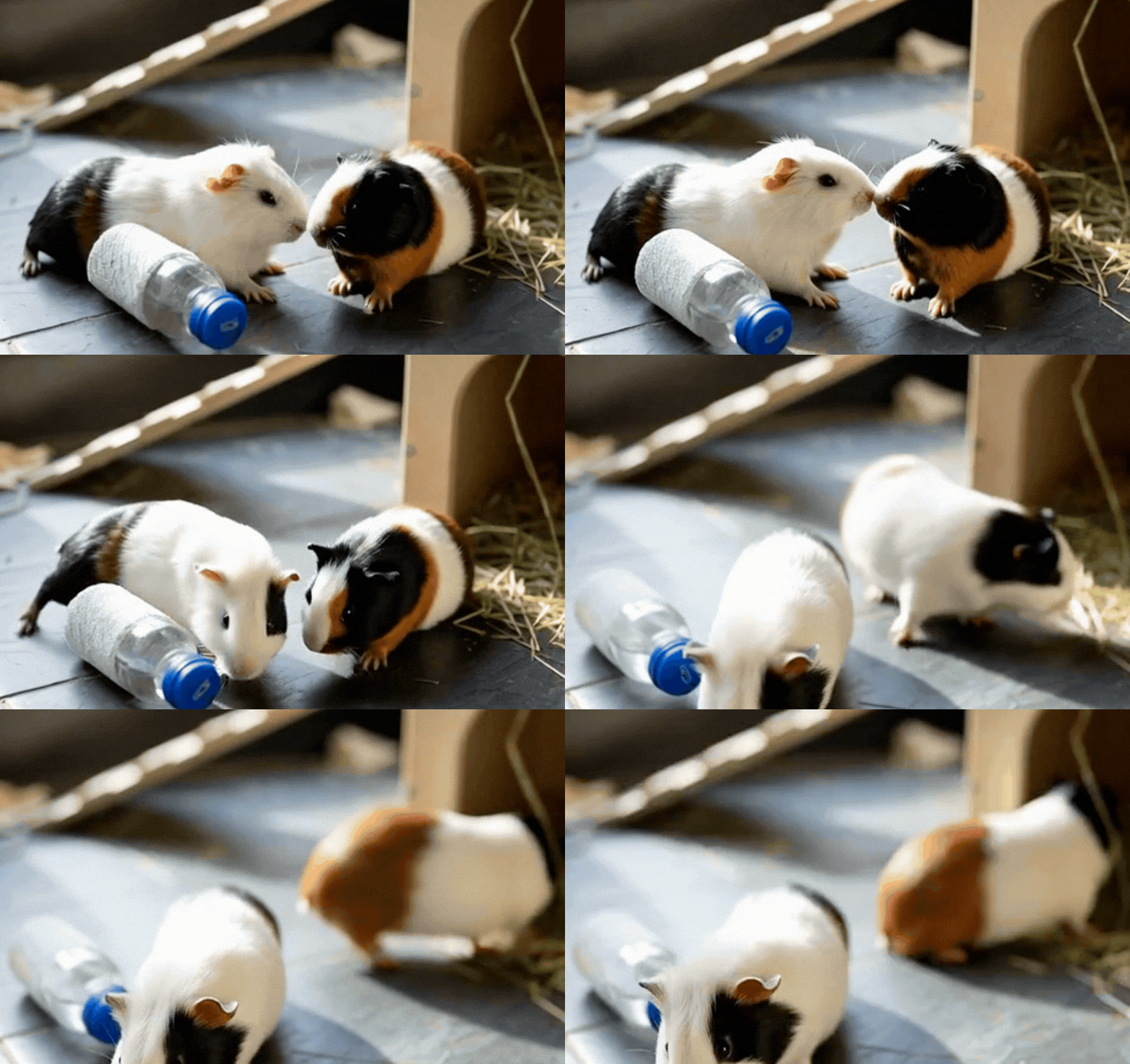
- Mutual grooming: If you have multiple rabbits, they may lick each other as part of their social grooming behaviour. If you are in close proximity to a bonded pair or group of rabbits, they may include you in their grooming rituals.
It's important to note that not all rabbit behaviour is the same, and individual rabbits may have their own unique reasons for licking. In most cases, though, licking is a positive sign and a way for your rabbit to express affection and bond with you.
However, if you notice any sudden changes in your rabbit's behaviour, such as excessive licking or other unusual behaviours, it's a good idea to consult with a veterinarian to rule out any underlying health issues.
in Conclusion
The endearing habit of rabbits licking their owners is a heartwarming testament to the deep and unique bond that can form between these gentle creatures and their human companions. From expressing trust and affection to engaging in social grooming, a rabbit's lick speaks volumes about their feelings and attachment.
As responsible bunny parents, understanding and reciprocating this form of affection can help strengthen the connection between you and your furry friend. By respecting their boundaries, providing love and care, and cherishing these intimate moments, you can ensure that your rabbit feels safe, happy, and truly cherished.
So, the next time you feel the gentle touch of your rabbit's tongue, remember that it's more than just a lick—it's a silent declaration of love and trust. Embrace this unique aspect of rabbit behaviour and continue to nurture the special bond you share with your beloved bunny companion.
Thank you for reading this post. We hope that you found it helpful and hope to you visit this page again soon. For more information, fun facts and cute photos, please follow us on social media. ❤️
Disclosure & Disclaimer: Some of the links in this blog may be affiliate links, which means we earn a small commission if you click through and make a purchase. This comes at no additional cost to you but helps support the continued production of content. We only recommend products and services we believe will add value to our audience. The content provided is solely for informational purposes. Any advice provided is based on personal experience and research and may not be suitable for everyone. Before implementing any advice, please consult with a professional to ensure it's appropriate for your specific situation. Thank you for your support.
THANK YOU
Thank you for reading this post. We hope that you found it helpful and hope to you visit this page again soon. For more information, fun facts and cute photos, please follow us on social media. ❤️
Disclosure & Disclaimer: Some of the links in this blog may be affiliate links, which means we earn a small commission if you click through and make a purchase. This comes at no additional cost to you but helps support the continued production of content. We only recommend products and services we believe will add value to our audience. The content provided is solely for informational purposes. Any advice provided is based on personal experience and research and may not be suitable for everyone. Before implementing any advice, please consult with a professional to ensure it's appropriate for your specific situation. Thank you for your support.