Why Do Dogs Eat Grass

January 20, 2026
Why Do Dogs Eat Grass?

Why Do Dogs Eat Grass? The Surprising Truth Behind This Common Habit

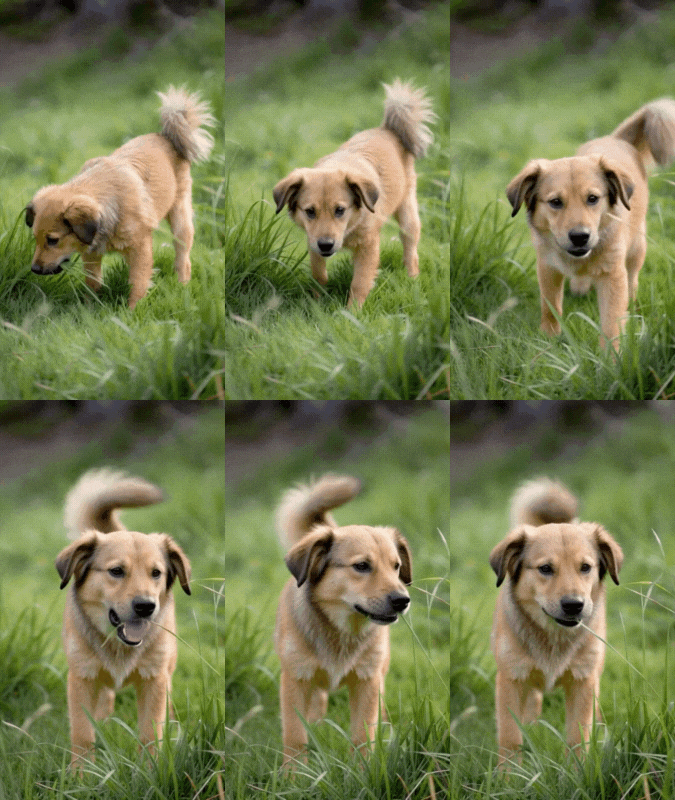
If you've ever watched your dog happily munching away on the lawn during a walk, you've probably wondered what's going on. It's one of those quirky behaviours that leaves many owners puzzled and sometimes a bit worried.


Eating grass is actually incredibly common among dogs, and in most cases, it's completely normal and harmless. Far from being a sign of something wrong, many dogs simply enjoy the taste and texture, especially when the grass is fresh and lush in spring or summer.


Debunking the Myths: It's Not Always About Feeling Sick

A lot of owners assume their dog eats grass to make themselves vomit when they're unwell. While some dogs do throw up afterwards, this happens far less often than you might think. Fewer than one in four dogs are sick after grazing, and even fewer show any signs of illness beforehand. So, the idea that dogs deliberately eat grass as a way to settle an upset tummy doesn't hold up for the majority.

That said, grass can provide some natural roughage, helping with digestion in dogs who might need a bit more fibre to keep things moving smoothly. It's also been observed in wild canines, suggesting it could be an instinctive behaviour passed down through the generations.


When to Keep an Eye on Things

Occasional grass nibbling is nothing to fret about, but if your dog suddenly starts eating large amounts, seems obsessed with it, or skips their regular meals in favour of greenery, it's worth a chat with your vet. Excessive grazing could point to boredom, anxiety, or rarely, an underlying issue that needs checking.

To keep your dog safe while they're out enjoying the garden or park, make sure the grass hasn't been treated with chemicals, and consider lungworm prevention, as slugs and snails can carry risks. With a balanced diet, plenty of exercise, and regular check-ups, most dogs thrive alongside their harmless lawn-snacking habit.

5 Simple Tips

 ๐Ÿถ 1. Accept it's usually normal

  • Most dogs eat grass simply because they enjoy the taste or texture.
  • It's a common, instinctive behaviour seen even in healthy dogs.
  • Occasional nibbling rarely causes any problems.


๐ŸŒฟ 2. Choose safe grazing spots

  • Stick to untreated lawns or parks free from chemicals like weedkillers.
  • Avoid areas where foxes or other animals might have been, to reduce parasite risks.
  • Fresh, clean grass is best for your dog's harmless snacking.


๐Ÿชฑ 3. Keep up with worming and lungworm prevention

  • Regular preventative treatments protect against risks from slugs and snails on grass.
  • Follow your vet's advice on suitable products for your dog.
  • This simple step keeps outdoor fun worry-free.


๐Ÿพ 4. Watch for changes in behaviour

  • Note if grass eating suddenly increases or your dog seems unwell.
  • Excessive grazing might signal boredom or a need for more fibre.
  • Offer plenty of play and a balanced diet to help.


๐Ÿ“Œ Important note While grass eating is usually nothing to worry about, always contact your vet if your dog starts vomiting frequently after grazing, shows signs of tummy upset before eating grass, loses appetite for normal food, or seems lethargic or in pain. Sudden or obsessive behaviour can sometimes point to an underlying issue that needs professional attention.

Why Do Dogs Eat Grass?

Why Do Dogs Eat Grass? 5 Common Questions Answered


๐Ÿถ 1. Q: Why do dogs eat grass? 

A: Most dogs eat grass simply because they enjoy the fresh taste and crunchy texture. It's a very common habit among healthy dogs and often happens when the grass is particularly lush. This behaviour can provide some natural roughage to help with digestion. It's also an instinctive trait passed down from their wild ancestors.


๐ŸŒฟ 2. Q: Does eating grass mean my dog is feeling sick? 

A: Many people think dogs eat grass to make themselves vomit when they're unwell, but that's not usually the case. In fact, fewer than one in four dogs are sick afterwards, and even fewer show signs of illness before starting. For the majority, it's just a normal preference with no link to tummy troubles. Grass might occasionally add helpful fibre, but it's rarely a deliberate remedy.


๐Ÿ›ก๏ธ 3. Q: Is it safe for my dog to eat grass? 

A: Yes, it's generally safe provided the grass is clean and hasn't been treated with chemicals like weedkillers or fertilisers. Stick to untreated areas and keep up with lungworm prevention to guard against risks from slugs and snails. With those simple precautions, most dogs can enjoy a harmless nibble.


โš ๏ธ 4. Q: When should I worry about my dog eating grass? 

A: Occasional grazing is nothing to concern yourself with. However, if it suddenly becomes excessive, your dog seems obsessed, or they start skipping proper meals, take note. These changes might point to boredom, anxiety, or a need for more fibre. Any frequent vomiting afterwards or signs of lethargy also warrant a vet visit.


๐Ÿ• 5. Q: How can I discourage my dog from eating grass? 

A: You don't always need to stop it, especially if it's just occasional and harmless. A balanced diet, plenty of exercise, and engaging play often reduce the habit naturally. If you're worried, your vet can check for any underlying reasons and suggest tailored adjustments to keep your dog happy and healthy.


Every dog is unique, so while grass eating is usually perfectly normal, always consult your vet for advice tailored to your pet's individual needs.


5 Simple Tips

 ๐Ÿถ 1. Accept it's usually normal

  • Most dogs eat grass simply because they enjoy the taste or texture.
  • It's a common, instinctive behaviour seen even in healthy dogs.
  • Occasional nibbling rarely causes any problems.


๐ŸŒฟ 2. Choose safe grazing spots

  • Stick to untreated lawns or parks free from chemicals like weedkillers.
  • Avoid areas where foxes or other animals might have been, to reduce parasite risks.
  • Fresh, clean grass is best for your dog's harmless snacking.


๐Ÿชฑ 3. Keep up with worming and lungworm prevention

  • Regular preventative treatments protect against risks from slugs and snails on grass.
  • Follow your vet's advice on suitable products for your dog.
  • This simple step keeps outdoor fun worry-free.


๐Ÿพ 4. Watch for changes in behaviour

  • Note if grass eating suddenly increases or your dog seems unwell.
  • Excessive grazing might signal boredom or a need for more fibre.
  • Offer plenty of play and a balanced diet to help.


๐Ÿ“Œ Important note While grass eating is usually nothing to worry about, always contact your vet if your dog starts vomiting frequently after grazing, shows signs of tummy upset before eating grass, loses appetite for normal food, or seems lethargic or in pain. Sudden or obsessive behaviour can sometimes point to an underlying issue that needs professional attention.

THANK YOU

Thank you for reading this post. We hope that you found it helpful and hope to you visit this page again soon. For more information, fun facts and cute photos, please follow us on social media. โค๏ธ


Disclosure & Disclaimer: Some of the links in this blog may be affiliate links, which means we earn a small commission if you click through and make a purchase. This comes at no additional cost to you but helps support the continued production of content. We only recommend products and services we believe will add value to our audience. The content provided is solely for informational purposes. Any advice provided is based on personal experience and research and may not be suitable for everyone. Before implementing any advice, please consult with a professional to ensure it's appropriate for your specific situation. Thank you for your support.

Colourful guinea pig munching safe vegetables like romaine lettuce, peppers, cucumber on hay bedding
By Guest Author September 1, 2026
Discover safe vegetables for guinea pigs, from daily romaine to occasional broccoli. UK-focused tips on portions, prep and avoids for healthy digestion and vitamin C
British Shorthair cat relaxing calmly in secure carrier on back car seat during safe UK road trip
By Guest Author August 25, 2026
Master car travel with your cat using UK-focused tips on secure carriers, calming aids and Highway Code compliance. Reduce stress and ensure safety on every journey
Guinea pigs staying cool in shaded hutch with frozen bottles, damp towels and fans during UK summer
By Guest Author August 18, 2026
Keep guinea pigs safe in summer heat over 26°C with shade, frozen aids, hydration and grooming. Avoid heatstroke using these vet-approved home tips for happy cavies
Guinea pig with overgrown teeth showing drooling chin and dropped hay, next to healthy chewing
By Guest Author August 11, 2026
Spot overgrown guinea pig teeth early? Learn causes like poor hay diets, signs such as drooling, home checks and vet fixes for healthy chompers in your UK pet.
Close-up of curious tabby cat with prominent white whiskers sensing air currents, highlighting senso
By Guest Author August 4, 2026
Discover why cats have whiskers for navigation, balance and mood signals. UK pet care tips on avoiding whisker fatigue, plus 5 simple home tips and FAQs for happy felines
Relaxed ginger cat purring on lap with soft vibrations, showing contentment and self-soothing in cos
By Guest Author July 28, 2026
Discover why cats purr beyond happiness, from healing injuries to stress relief. UK pet tips on reading purrs, bonding, and home care for happier felines,
Relaxed tabby cat napping curled in sunlit window, embodying natural feline sleep patterns vital for
By Guest Author July 21, 2026
Discover why cats sleep 12-16 hours daily, from predator instincts to crepuscular rhythms. Practical UK tips balance play and rest for healthier, happier felines.
Black cat sprinting across living room floor at night, wide eyes and arched back showing playful zoo
By Guest Author July 14, 2026
Wondering why your cat zooms at night? Discover crepuscular instincts, energy tips, and UK home fixes to restore peace. Vet-backed advice for calmer evenings
Close up of a young dog chasing its tail in a UK garden, showing playful spinning behaviour but no v
By Guest Author July 7, 2026
Wondering why your dog keeps chasing its tail? Learn the common causes, simple home fixes and clear red flag signs that mean you should call your vet.
Concerned UK dog owner watches pet in garden, illustrating coprophagia causes like instinct, diet ga
By LN001167 June 30, 2026
Wondering why your dog eats poop? Explore coprophagia causes from instinct to nutrition, plus UK-focused training tips, diet tweaks, and when to vet check for worry-free pet care